Restaurant Failures & Lessons
The restaurant industry has a well-earned reputation for chewing people up. The actual failure rate is debated — some studies put first-year closures around 17 percent, others higher — but the patterns behind the failures are remarkably consistent. Undercapitalization.
Menus priced on feeling instead of math. Partners who agreed on the dream but never talked about what happens when they disagree. The restaurants that close almost always leave a readable trail.
A lease that ate the operating margin. A food cost that drifted unchecked. A concept that lost its focus one compromise at a time.
These videos are case studies. Some are dramatic. All of them are instructive if you watch them looking for the decision that started the slide.
The Patterns Behind Most Closures
Strip away the individual stories and most restaurant failures share a structure. The operator opened with enough money to get to opening night but not enough to survive the slow months while the neighborhood finds them. The menu was priced on what felt right rather than on actual food cost and labor calculations.
The concept got compromised — a little at first, then a lot — until the place lost whatever made it worth going to. Two partners who agreed on everything in the excitement of opening discovered they agreed on nothing when the hard decisions arrived. And running through all of it: the operator who was too close to the problem, too proud, or too exhausted to call it early enough to change course.
Failure in this business is rarely sudden. It's a series of small decisions that compound.
The Patterns Behind Most Closures
Strip away the individual stories and most restaurant failures share a structure. The operator opened with enough money to get to opening night but not enough to survive the slow months while the neighborhood finds them. The menu was priced on what felt right rather than on actual food cost and labor calculations.
The concept got compromised — a little at first, then a lot — until the place lost whatever made it worth going to. Two partners who agreed on everything in the excitement of opening discovered they agreed on nothing when the hard decisions arrived. And running through all of it: the operator who was too close to the problem, too proud, or too exhausted to call it early enough to change course.
Failure in this business is rarely sudden. It's a series of small decisions that compound.
“Failure in this business is rarely sudden. It's a series of small decisions that compound.”
What the Survivors Did Differently
175 videosVideos on restaurant closures, kitchen disasters, and the operators who came out the other side knowing things that can't be learned from a textbook.

America’s Restaurants Are COLLAPSING — Here’s Why
The luxury dining collapse isn't some abstract economic trend — it's what happens when your labor cost hits 40% and your average check can't carry the weight of a $6,000 monthly lease. You're watching restaurants that forgot the first rule: the numbers don't lie, even when the reviews are glowing. Every operator running razor-thin margins while chasing James Beard recognition should study this breakdown. The math was always going to win.

10 Times Fast Food Restaurants FAILED Internationally
You think your 86'd special is a disaster until you watch Taco Bell try to sell soft tacos in Mexico or see McDonald's get bodied by local burger joints in Bolivia. Every market failure here comes down to the same kitchen truth — you can't drop a system into a place that already perfected the dish three generations ago. The spreadsheet says expansion, but the guest count says you just opened a worse version of what's already on every corner.

Как открыть кафе или ресторан с нуля? Избегайте этих 3 ошибок
Three mistakes that kill restaurants before they open — and she's not talking about the obvious ones like location or concept. You've watched operators burn through their life savings because they skipped the unglamorous math: proper cost modeling, realistic labor projections, and cash flow that accounts for those first six months when you're bleeding money while building your guest base. The survival skills aren't sexy, but they're the difference between making it to year two and becoming another empty storefront with grease stains on the walls.
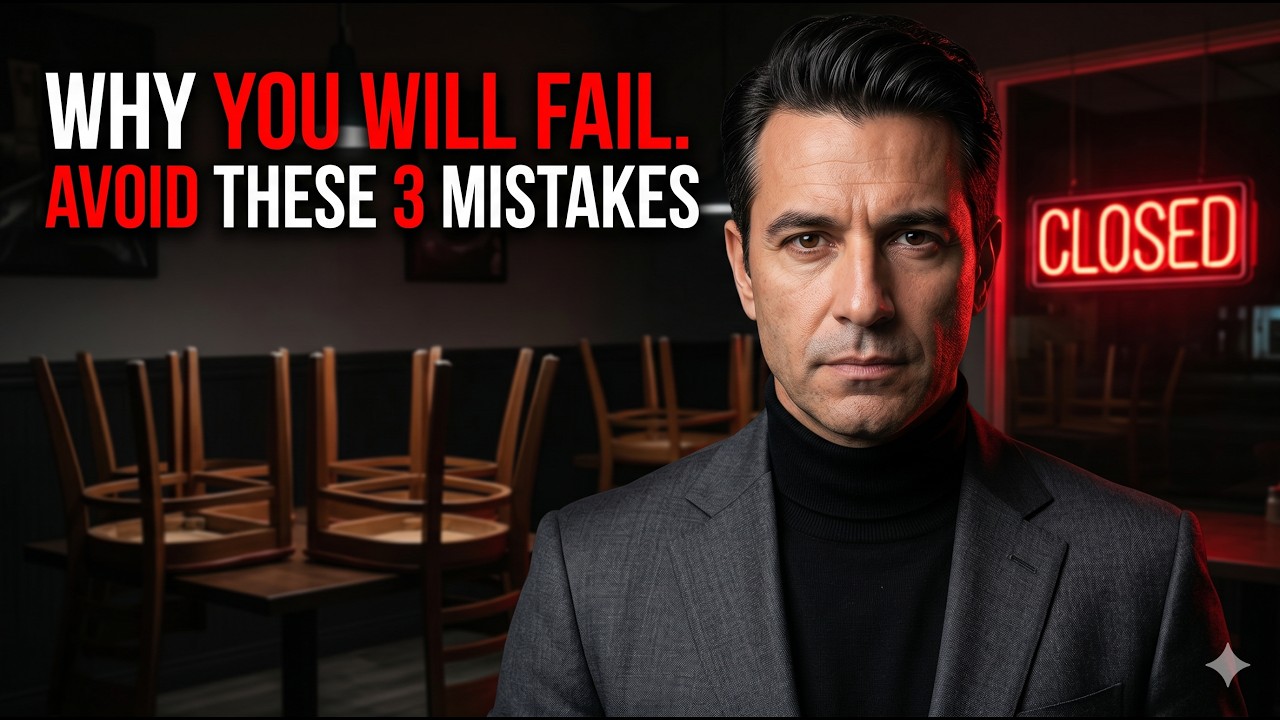
Why 90% of Restaurants Fail in Year 1 (Avoid These 3 Traps)
The math doesn't care how perfectly you brunoise your mirepoix or how many James Beard nominees you've staged under. Three traps kill more restaurants than bad Yelp reviews: underestimating food costs, overestimating covers, and confusing passion with profit margins. You're either running the numbers or the numbers are running you into the ground by month eight.

The 5 Real Reasons Why Indian Restaurants Fail
Most restaurants die from the same five wounds, whether you're slinging curry in Mumbai or burgers in Milwaukee. JC Based cuts through the romanticism to show you the numbers that kill: overestimating covers, underestimating labor costs, and the fatal mistake of thinking location doesn't matter when you're burning through cash at 15K a month. You've seen these operators before — they can nail a perfect dal but can't read a P&L.

I Tried Failed Restaurant Chains
You can smell the desperation from the parking lot — overpriced menus covering thin margins, concepts that tested well with focus groups but never survived contact with actual customers. Flake walks through the wreckage like a forensic accountant, and every failed chain tells the same story: somebody forgot that restaurants are math problems disguised as hospitality. The graveyard is full of people who thought brand recognition could save them from bad unit economics.

The REAL Reason Most Restaurants Fail (It's Not The Food)
You're pulling 90-hour weeks, your food costs are climbing, and somehow you're still bleeding money — Wilson Lee knows exactly why most operators are grinding themselves into the ground while their P&L tells a different story. The guy who built a $500M restaurant empire breaks down the single operational mistake that turns passionate cooks into exhausted accountants. You'll recognize the trap immediately.

Undercover Owner Exposes His Own Diner—What Inspectors Found in the Freezer Shocked Everyone Part 2
You think you know what's happening in your walk-in until you actually walk in unannounced. This owner learned the hard way that delegation without verification isn't management — it's hope with a clipboard. The freezer tells the real story: expired proteins stacked like Jenga blocks, unlabeled containers growing science experiments, and a thermometer that's been lying longer than your last server's availability. Trust your systems, but check your walk-in like your license depends on it.

From Buffet King to Bankrupt? The Barbeque Nation Story You MUST Know | Inquisify
A buffet concept that lets customers grill their own meat sounds like a liability nightmare until you realize someone made it scale across 150 locations in India. The numbers that built Barbeque Nation — and the ones that buried it — tell the real story about what happens when you prioritize growth over the fundamentals that actually keep restaurants alive. You're either controlling your food costs and labor ratios, or you're funding someone else's education in how quickly a restaurant empire can collapse.

Street vendors targeted in ICE raids on NYC's Canal Street | Team coverage
You know these vendors — they're running the same hustle as every line cook who's ever worked under the table, sending money home, grinding through shifts that would break most people. Canal Street's elote guys and taco slingers have been feeding construction crews and office workers for decades, building something real with a cart and a dream. Now federal agents are rolling up on abuelitas selling tamales like they're running a cartel. Anyone who's ever worked without papers, or alongside someone who did, knows exactly what's at stake when the raids come.

Six Big Mistake Restauranter Do (Part-2) || Ye Mistake Na kare Restaurant Kholte Samay😳||#restaurant
Most restaurant failures aren't about the food — they're about operators who think passion pays rent and charm covers payroll. Sharma breaks down the six mistakes that kill restaurants before they hit year two, the kind of operational blindness that turns a dream into a debt trap. You've probably worked for at least three owners who made every single one of these calls. The brutal truth is most people opening restaurants have never actually run one.

The Biggest Mistakes New Pizza Shop Owners Make (And How to Avoid Them!)
Every pizza shop owner thinks they're different until they hit the same wall at month six — food costs spiraling because they're eyeballing portions, labor bleeding out because they never learned to schedule, and a walk-in full of expensive cheese going bad because nobody tracked inventory. This breakdown cuts through the romantic bullshit and gets to the numbers that actually keep doors open. You're either running your costs or your costs are running you straight into a for-lease sign.

5 BIG MISTAKES Hotel Owners Make in 2025
Chef Shiv breaks down the five ways hotel owners torch their food operations before they even get started, and every mistake he calls out applies whether you're running a 20-room boutique or a corner bistro. The numbers don't lie and the fundamentals don't change — overstaff the front, understaff the back, ignore food cost, and you're bleeding money before the first plate hits the pass. Twenty years in hospitality means he's watched good operators fail for bad reasons and bad operators fail for obvious ones.

The Art of War for Restaurant Industry CEOs
Dr. Foo breaks down Sun Tzu's strategies for restaurant CEOs who need to win wars, not just cook good food. You're either calculating labor costs like battlefield logistics or watching your margins bleed out while competitors circle. The ancient general knew what every operator learns the hard way: knowing your enemy matters less than knowing your own numbers.
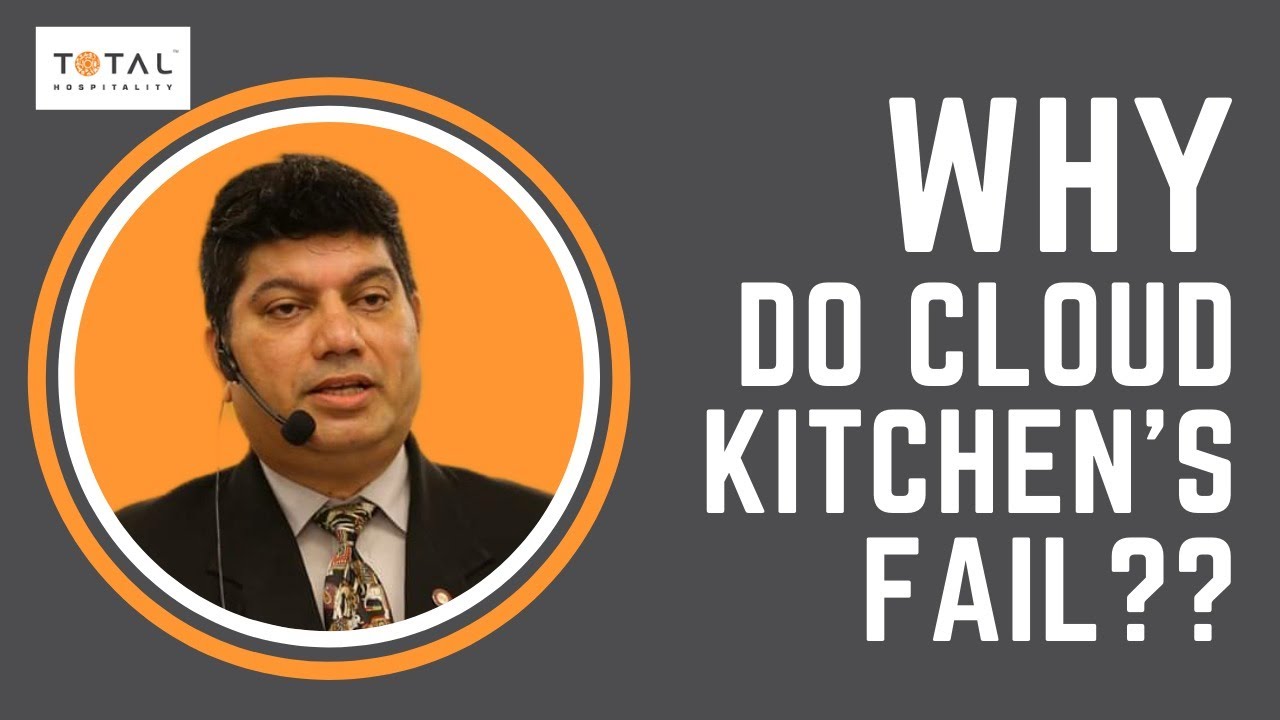
Why do cloud kitchens fail??
You can build the slickest ghost kitchen operation in the world, but if you're chasing delivery radius over unit economics, you're just burning cash with better lighting. The four walls don't matter when your food costs are bleeding you dry and your delivery fees are eating whatever margin you thought you had. Anyone who's watched a concept die knows it always comes down to the same thing — the numbers, not the Instagram posts.

Rabbit Hole - Restaurants Part 1
You're three months into your dream restaurant and the dream is eating you alive — 18-hour days, credit cards maxed, vendors calling twice a day. This breakdown of restaurant failures isn't pretty, but it's the math you should've run before you signed that lease. Anyone who's watched a concept die knows exactly how this story ends, and it always starts the same way: ego writing checks the P&L can't cash.

Rabbit Hole - Restaurants Part 2
The numbers don't lie, but they whisper until it's too late — this breakdown walks through the exact sequence of how restaurants bleed out, one compromise at a time. You've watched it happen: the food cost creeps from 28% to 35%, labor balloons because nobody wants to cut that one server, and suddenly you're three months behind on rent wondering where the cash went. The kitchen keeps cranking out plates while the office drowns in receipts they should have been tracking from day one.

How to Start a New Restaurant
Everyone loves to eat, sure — but loving food and surviving the business of feeding people are completely different animals. This breakdown cuts through the romance and gets to the numbers that actually matter: why most new spots close before they find their rhythm, and what the survivors figured out that the dreamers missed. You're either running the math or the math is running you into the ground.

How to Start a Successful Restaurant in India: Business Case Study - Rameshwaram Cafe | Chai Point
Two guys from Bangalore turned a terrorist attack into a restaurant empire by doing exactly what every operator should but rarely does — they watched their customers eat. While everyone else was chasing Instagram moments and celebrity chef dreams, Rameshwaram Cafe mapped every single touchpoint from order to table, then eliminated anything that didn't move food faster or taste better. The numbers don't lie: 47 locations in four years because they treated speed like mise en place — essential, measurable, and never negotiable.

i would never start this type of business
The numbers don't lie — restaurants fail faster than any other business because most people confuse loving food with understanding food cost, labor percentage, and why your POS system matters more than your Instagram followers. You've watched friends burn through life savings chasing the dream of "my own place" without knowing their break-even point or how many covers they need to survive a slow Tuesday. This isn't about crushing dreams, it's about the math that separates the operators who last from the ones who flame out in eighteen months.

Cracking the Code: How to Succeed in the Restaurant Industry
Mario Carbone breaks down the math that most operators learn the expensive way — how a restaurant that looks busy can still bleed money, and why the guys who make it past year three understand something the dreamers don't. You've seen the packed dining room with the stressed owner, wondering how 200 covers still leaves them short on rent. The brutal clarity here: sentiment doesn't pay invoices.

5 Businesses with High Failure Rates PART 1
You already know restaurants made the list — the question is what Satoshi gets right about why 80% close within five years that the consultant charging you $300/hour missed. He's running the numbers on dream-killers: undercapitalization, location suicide, the fantasy that "great food sells itself" while your food cost hits 40% and rent eats another 12%. Anyone who's watched a 200-seat concept die because the owner thought Friday night energy would carry Tuesday lunch knows exactly which mistakes are coming.

5 Businesses with High Failure Rates PART 2
You already know restaurants are on this list — the question is whether you're learning from the wreckage or becoming part of it. Satoshi breaks down why five industries eat their young, and the restaurant segment hits different when you're the one signing vendor checks and watching labor costs creep past 35%. The businesses that survive aren't the ones with the best concepts or the most passion. They're the ones that treat failure rates like weather reports — useful information that changes how you dress for work.

Understanding Failure Rates in New York City Restaurants
The numbers don't lie and they don't care about your concept — 80% of NYC restaurants fold within five years, and most never make it past year two. You're either running the numbers or the numbers are running you, and this breakdown shows exactly where operators bleed out: undercapitalization, labor costs that spike faster than ticket times, and rent that eats 15% before you've even fired the first order. Anyone who's watched a promising spot go dark after eight months knows these aren't statistics — they're autopsies.
They hired slowly and fired fast when the culture got compromised. They were obsessively clear about what their restaurant was and what it was not. They treated the first year as a learning period, not a victory lap.
And they had systems in place before the volume arrived, not after.
Understanding why restaurants fail is incomplete without understanding what prevents it. Kitchen Systems covers the operational structures that keep places running. Cost Control covers the numbers that signal trouble before it arrives.