Food Cost & Margins
Food cost is the number that tells the truth about your restaurant. Revenue lies — a packed Saturday can hide a Tuesday that's bleeding cash. Labor costs fluctuate with the schedule.
But food cost percentage sits there on the page and tells you exactly how much of every dollar you're handing back to your suppliers. The formula is simple. What you spent on food, divided by what you sold.
Most concepts need that number between 28 and 35 percent to survive. The problem is that almost nobody calculates it often enough to catch the drift before it becomes a crisis. These videos cover the real mechanics — how to run the formula, how to price a menu that protects your margins, and what to do when the numbers start moving in the wrong direction.
The Drift Nobody Catches in Time
Here's how it usually goes. You open. The menu gets priced on instinct and a rough sense of what the neighborhood will pay.
For a while, the register fills up and nobody questions the math. Then your chicken supplier raises prices by eight percent. A new prep cook starts overportioning the salmon.
A popular special runs for three weeks and never gets costed. Each one is small. Together they move your food cost from 31 to 37 percent, and you don't notice until the quarterly P&L arrives and the money isn't there.
The fix is boring. Cost your recipes. Update the costs when your invoices change.
Weigh your portions. Calculate food cost weekly, not monthly — monthly is an autopsy. Weekly gives you time to adjust.
The Drift Nobody Catches in Time
Here's how it usually goes. You open. The menu gets priced on instinct and a rough sense of what the neighborhood will pay.
For a while, the register fills up and nobody questions the math. Then your chicken supplier raises prices by eight percent. A new prep cook starts overportioning the salmon.
A popular special runs for three weeks and never gets costed. Each one is small. Together they move your food cost from 31 to 37 percent, and you don't notice until the quarterly P&L arrives and the money isn't there.
The fix is boring. Cost your recipes. Update the costs when your invoices change.
Weigh your portions. Calculate food cost weekly, not monthly — monthly is an autopsy. Weekly gives you time to adjust.
“You don't go broke all at once. You go broke a half-percent at a time.”
The Numbers, the Formulas, and the Operators Who Use Them
264 videosVideos on food cost calculation, menu pricing strategy, margin analysis, and the franchise economics behind the biggest brands in food.
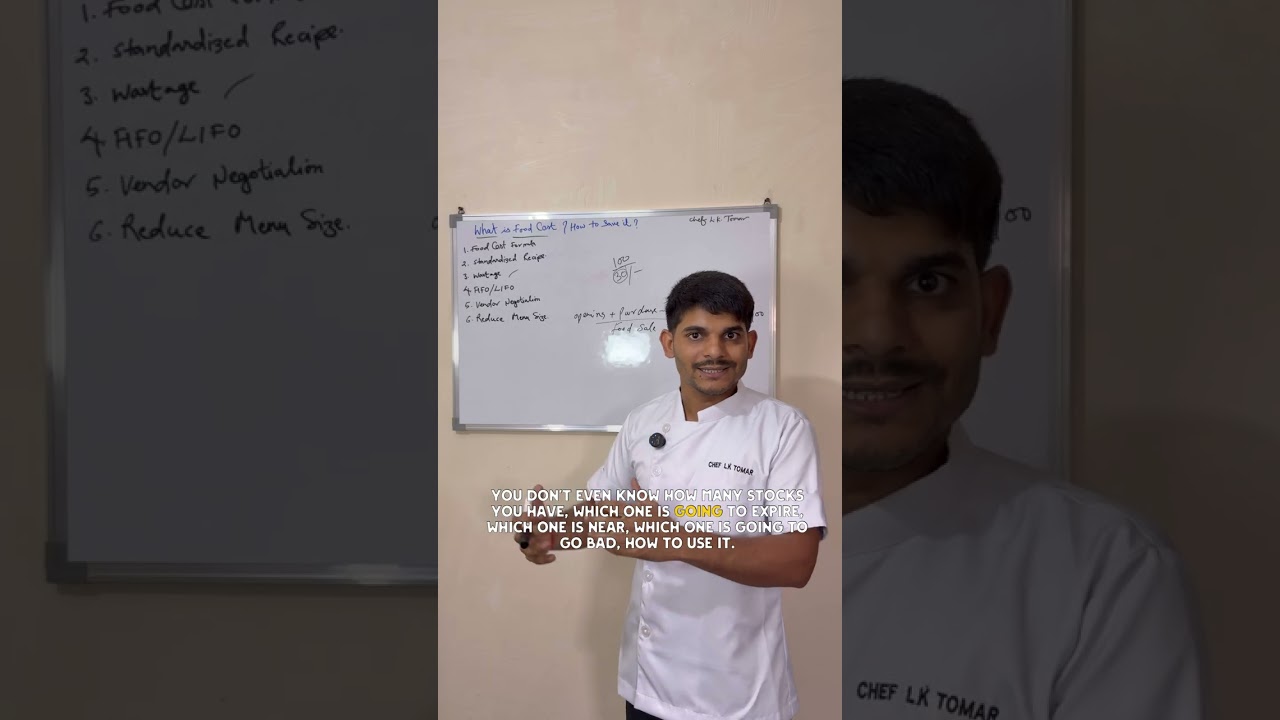
💰 What is Food Cost & How to Save It
You're either running the numbers or the numbers are running you, and Chef Tomar breaks down food cost like someone who's actually had to explain a blown P&L to ownership at 2 AM. The math is simple — what you spend on ingredients divided by what you charge — but the execution is where most operators bleed out through portion creep, waste, and recipes that exist only in someone's head. He walks through the control systems that keep a 60-seat spot from becoming a 60-seat charity kitchen. Anyone who's watched their margins vanish during a busy weekend knows exactly why this matters.

Episode 31 (S2E7) Food Cost Is Killing Your Kitchen | Why Most Restaurants Lose Money
You're either running the numbers or the numbers are running you. Grigsby cuts through the spreadsheet noise to show what every operator knows in their gut — food cost isn't about the recipe, it's about the thousand small bleeds that happen between the walk-in and the plate. The math is easy; controlling what your crew does with a $40 case of protein when you're in the weeds is the real work.

The key to making money in your restaurant!
Evan cuts through the monthly inventory theater that burns hours while your actual costs bleed out daily. You're either tracking your prime cost weekly or you're flying blind into another month of wondering where the money went. The operators who survive know their numbers before the invoices hit — food cost, labor cost, and the cold math that separates the dreamers from the ones still turning keys six months later.

How to Maximize Margins in Your Restaurant...(Even With Rising Costs)
Preston breaks down the math that keeps you alive when everything else is trying to kill your margins. You're either running the numbers or the numbers are running you, and this isn't about finding pennies in the couch cushions — it's about understanding which levers actually move when food costs hit 35% and labor's already bleeding you dry. The kind of operational clarity that separates the operators still standing from the ones explaining to landlords why the doors are locked.
Food cost Questions & Answers | Restaurant Food Cost Formula / Food Cost percentage
You're either running the numbers or the numbers are running you, and Chef Dheeraj breaks down the food cost formula like it's mise en place — methodical, essential, no shortcuts. He walks through the math that separates kitchens that survive from kitchens that bleed money one plate at a time. Anyone who's watched their food cost creep from 28% to 35% without knowing why needs this breakdown in their back pocket.

Most Restaurants Underprice Their Menu Items. Reprice Them Now!
You're either running the numbers or the numbers are running you, and most operators discover too late they've been bleeding margin on every plate that walks out the door. FORCS breaks down the math that separates restaurants that survive from restaurants that close — how to price without scaring customers while actually making money on what you're slinging. Anyone who's watched food costs creep past 32% while telling themselves "we'll make it up in volume" needs this reality check.

"Restaurant Financial Management 101: Strategies for Cost Control and Profitability"
You're either running the numbers or the numbers are running you — and if you're still guessing at food costs while your vendors raise prices every other week, this breakdown cuts through the noise. The math isn't sexy, but neither is explaining to your chef why you can't afford the good tomatoes anymore. Watch someone walk through margin calculations like they actually matter, because a restaurant that doesn't know its true costs is just a very expensive way to feed strangers.

The Right Way to CUT COSTS in a Restaurant Business
You've watched good restaurants bleed out because someone decided the answer to thin margins was cheaper tomatoes and skeleton crews. Andrew Scott walks through the math that separates operators who survive from those who close — the difference between cutting smart and cutting your own throat. Anyone who's watched food costs creep from 28% to 35% while portions shrink knows exactly where this leads. Cut labor to the bone and you'll spend twice as much on waste, walkouts, and the inevitable rebuild.

Why Labor Cost Feels High Even When Your Restaurant Is Busy
You're already running lean and the dining room's packed, but somehow you're still bleeding money on labor. Restaurant Fix breaks down the math that matters: how to squeeze more revenue from the hours you're already paying for without adding another body to the schedule. Anyone who's watched their labor percentage climb while covers stay flat knows this isn't about working harder — it's about working the numbers until they work for you.

20 Secrets Restaurants Don’t Want You to Know
You already know most of these tricks because you've either deployed them or watched your margins bleed without them. The real secret isn't the anchor pricing or the menu psychology — it's that every operator running 3% profit margins is using behavioral nudges just to keep the lights on. When your food cost hits 32% and labor's climbing past 28%, suddenly that "overpriced" wine pairing becomes the difference between making payroll and closing doors.

Why Your Restaurant Is FULL… But Still Losing Money (The Hidden Profit Leak)
You know this nightmare — every table full, the rail packed three deep, servers weaving through a dining room that looks like money printing itself. Meanwhile, your P&L reads like a slow-motion disaster, bleeding out through labor overruns and portion creep while you smile at the host stand. The Stick Economy breaks down the hidden math that turns packed houses into profit graves, the kind of operational forensics that separate restaurants that survive from restaurants that just look busy.
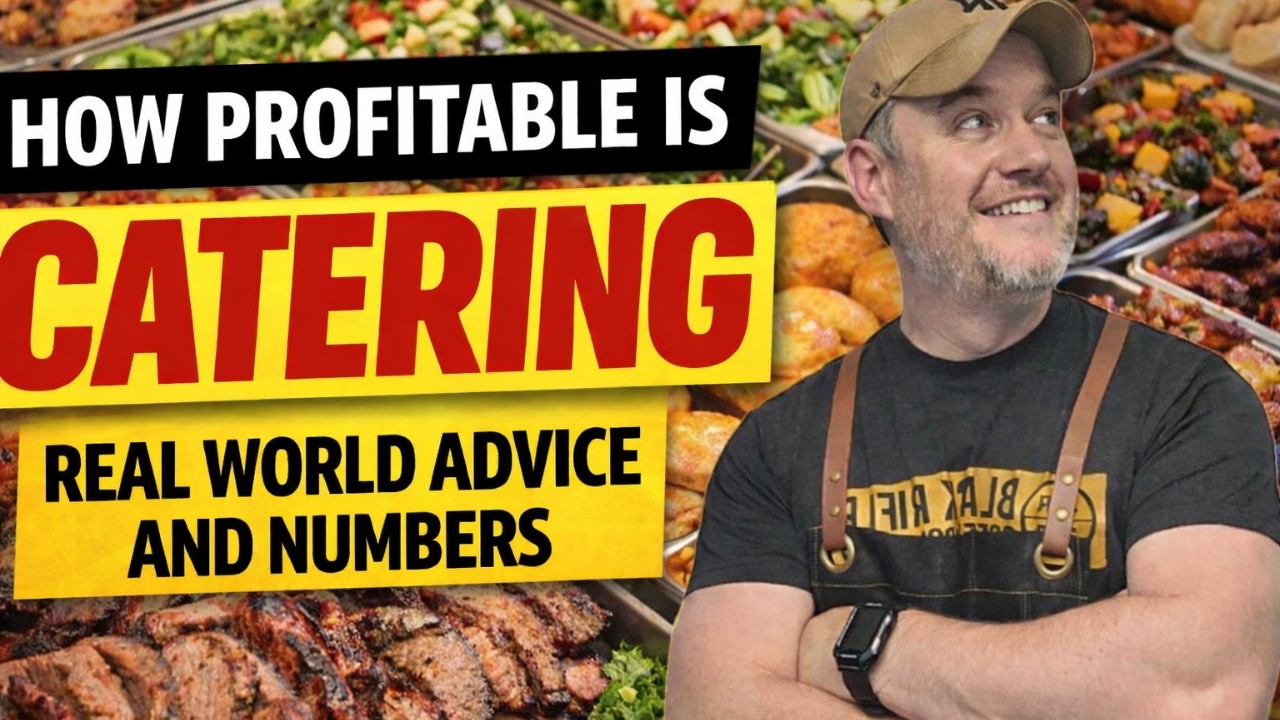
How Profitable is Catering ( REAL WORLD ADVICE AND NUMBERS )
Real numbers from someone who's actually run the math on a hundred events, not just dreamed about it over coffee. You can smell the difference between operators who know their true cost per cover and those still guessing their way through proposals. The craft isn't just in the knife work — it's in building systems that let you sleep at night while the deposit checks clear.

Weight Scale Measuring Calibration | Measuring Cups | kitchen Weight Scale
Every gram matters when you're running 32% food cost and the owner's breathing down your neck about margins. Chef Dheeraj walks through proper scale calibration and measuring techniques — the unglamorous foundation that keeps your portions consistent and your P&L from bleeding out. You can have the best mise in the world, but if your scales are off by even 5%, you're giving away profit with every plate that leaves the pass.

America's Fast Food Restaurants are EMPTY & OVERPRICED in 2026
Fast food chains are pricing themselves out of relevance while independent operators watch their old competitive advantage disappear. You're looking at a $15 combo meal versus your $18 burger with actual beef and a cook who gives a damn about the sear. The math that used to favor drive-throughs now favors anyone running clean food costs and building real value on the plate.

Most Restaurants Miscalculate Food Cost % — Are You?
You're either running the numbers or the numbers are running you, and most operators think they're calculating food cost when they're really just guessing with last month's invoices and prayer. FORCS breaks down the actual formula — not the fantasy version where you pretend shrinkage doesn't exist and your inventory counts are gospel. Anyone who's watched their theoretical 28% turn into an actual 34% by month three knows exactly why this matters.
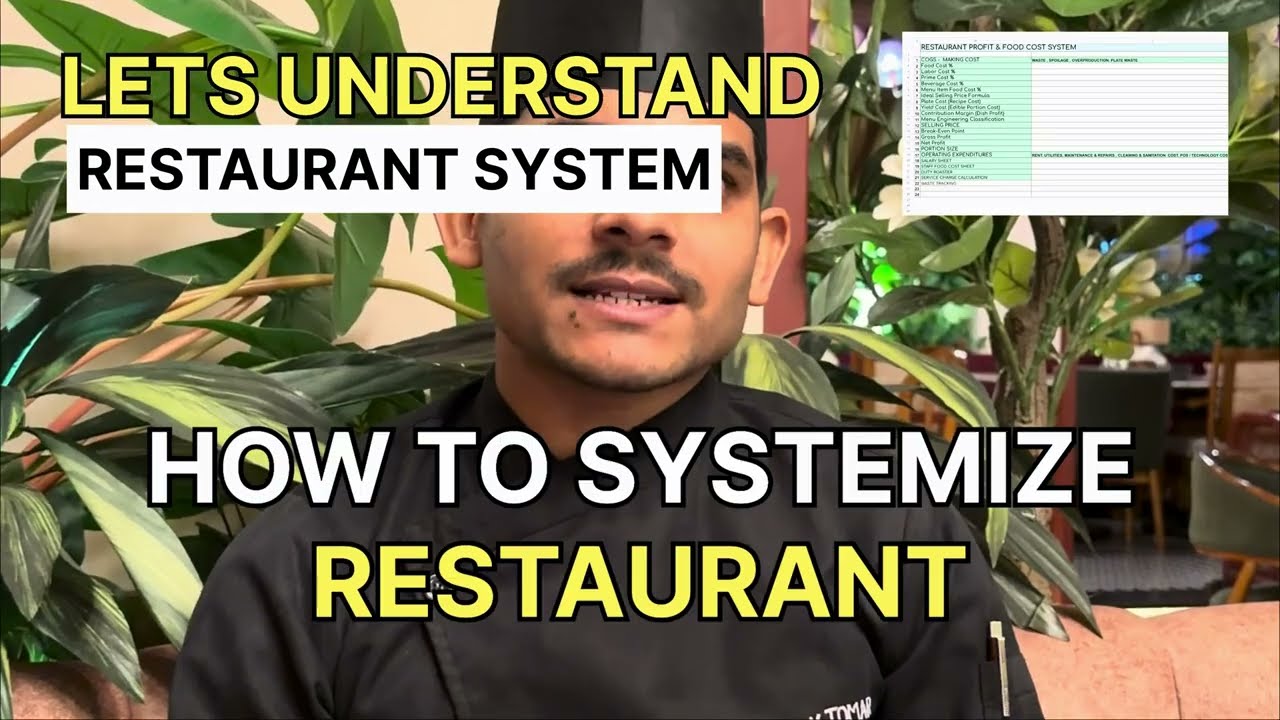
💰 Stop Running Your Restaurant Blind | Costing & Systems Every Owner Must Know
Most restaurants don't fail because the risotto was underseasoned or the garnish looked like shit — they fail because someone's running 35% food cost on a 28% margin and calling it "building the brand." Chef Tomar breaks down the numbers that keep your doors open, the kind of costing discipline that separates the operators who last from the ones who burn through their life savings in eighteen months. You can plate like Escoffier, but if you don't know what each cover actually costs you, you're just an expensive hobby.

How to Increase Restaurant Sales in 2026: 7 Proven Strategies That Actually Work
Seven strategies sounds like consultant math, but anyone who's actually built covers knows the real number is closer to seventy-seven micro-adjustments that either compound or cancel each other out. The fundamentals haven't changed since your great-grandfather ran the corner joint — you make people want to come back, and you make sure they can afford to. Everything else is just packaging around those two ugly truths.

Tech Shifts Quietly Killing Your Restaurant Profit
The numbers don't lie, but they whisper — and most operators are too busy running the line to hear what 2026 is trying to tell them. FORCS breaks down the tech shifts that are already eating into your margins while you're focused on tonight's covers. Anyone who's watched their delivery fees climb while their takeout margins shrink knows exactly which quiet killer hits first.
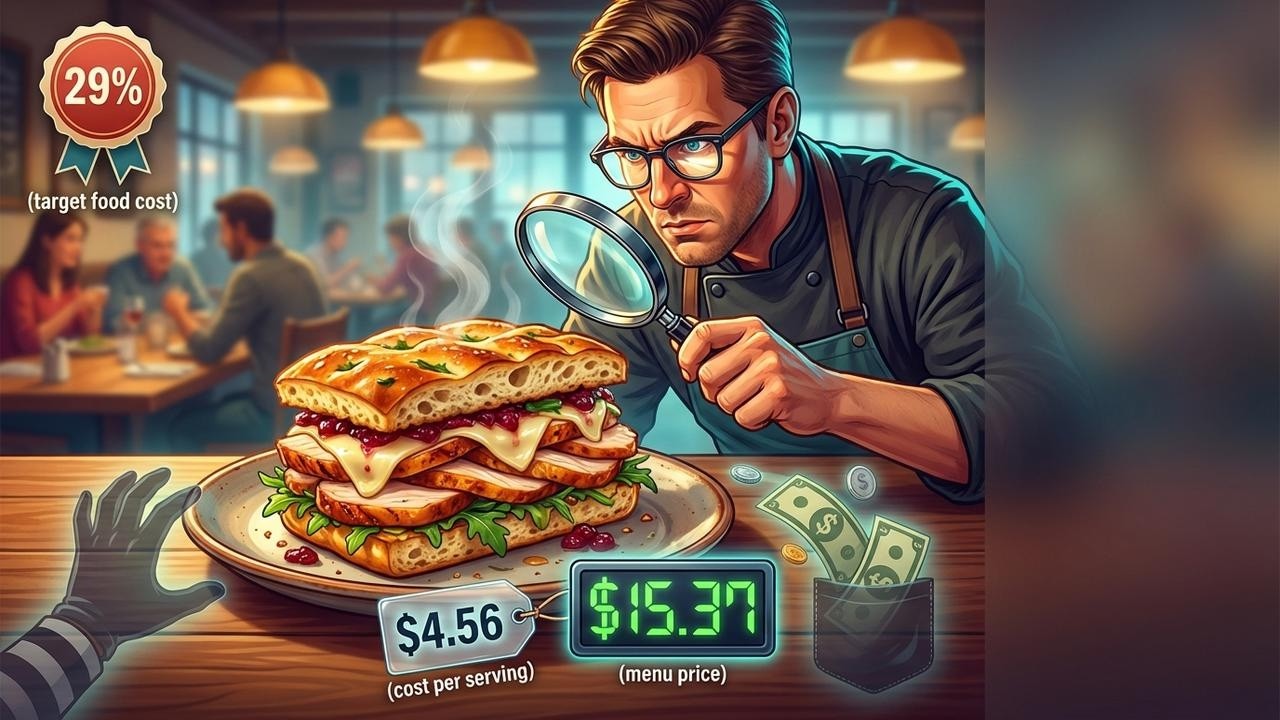
This Common Food-Cost Mistake Is Eating Profits (And The Fix)
You're either running the numbers or the numbers are running you, and most operators learn this the hard way after watching profit margins disappear into what looked like a solid 28% food cost on paper. FORCS breaks down the math that separates the line cooks who burn out from the chefs who build something that lasts — because knowing your true cost per plate isn't accounting, it's survival. Anyone who's ever wondered why a busy Saturday still left them broke needs to see this.

The Right Way to Start a Small Café Business: Tips for Success. @TheRestaurantMaster
Most people think opening a café means good coffee and cute signage, but this breakdown gets into the real architecture — foot traffic patterns, cost per square foot, the brutal math of how many lattes you need to sell just to keep the lights on. The host walks through lease negotiations and build-out costs with the kind of specificity that separates dreamers from operators. You can tell he's watched plenty of beautiful spaces die because someone fell in love with exposed brick instead of studying the numbers.

Why Most Restaurants Aren’t Profitable in 2026 (Use These Systems To Fix)
Desmond Lim cuts through the noise about restaurant profitability with the kind of systems thinking that separates operators who survive from those who thrive. You've seen the numbers — labor creeping past 35%, food costs bleeding out because nobody's actually costing recipes, tables turning once when they should turn twice. This isn't about revolutionary concepts; it's about the unglamorous discipline of building processes that work when you're not there to babysit them.

Restaurant Prime Cost in 2026: The One Number That's Either Saving or Killing Your Restaurant
You're either running the numbers or the numbers are running you, and prime cost is where most operators find out which camp they're in. HubPlate breaks down the math that separates restaurants still standing in 2026 from the ones that became ghost kitchens or vacant storefronts — labor plus food cost as a percentage of revenue, the single metric that tells you if you can make payroll next month. Anyone who's ever had to choose between keeping the dishwasher or keeping the lights on knows exactly why this number matters more than covers or Yelp stars.

The 10-Minute Menu Fix Most Restaurants Owners Miss
You can spot the operators who actually read their mix reports from across a dining room — they're the ones pulling items that look popular but bleed money, pushing the 78% margin apps that move like clockwork. This breakdown cuts through the menu psychology theater and gets to what matters: knowing which dishes pay rent and which ones just take up real estate on your board. Anyone who's watched a beautiful special die at 11% food cost knows exactly why these ten minutes matter more than your Yelp reviews.

Best Food Costing Software for Chefs and Restaurants.
You're either running the numbers or the numbers are running you, and most restaurant software treats independent operators like afterthoughts to their enterprise clients. Food Cost Chef built something different — a calculator that actually understands recipe costing without requiring an IT department to install it. Anyone who's tried to explain why their 32% food cost isn't actually killing them knows the relief of having numbers that tell the real story. This is what happens when someone who's actually worked a line builds the tools.
Every time a supplier raises a price, your recipe costs change. If you're not updating them, your menu prices are fiction. Second: portion control that's enforced, not suggested.
The difference between a 30 and a 36 percent food cost is often one cook who eyeballs the protein instead of weighing it. Scales are cheaper than going under. Third: a waste log that gets used.
Not a punishment system — a diagnostic one. When you know where product disappears, you can fix the cause instead of guessing at it.
The numbers here connect to everything else. Kitchen Systems covers the workflow and prep structures that prevent waste before it happens. When the margins collapse entirely, Restaurant Failures shows you what the end looks like — and why it was usually avoidable.