Inventory & Waste
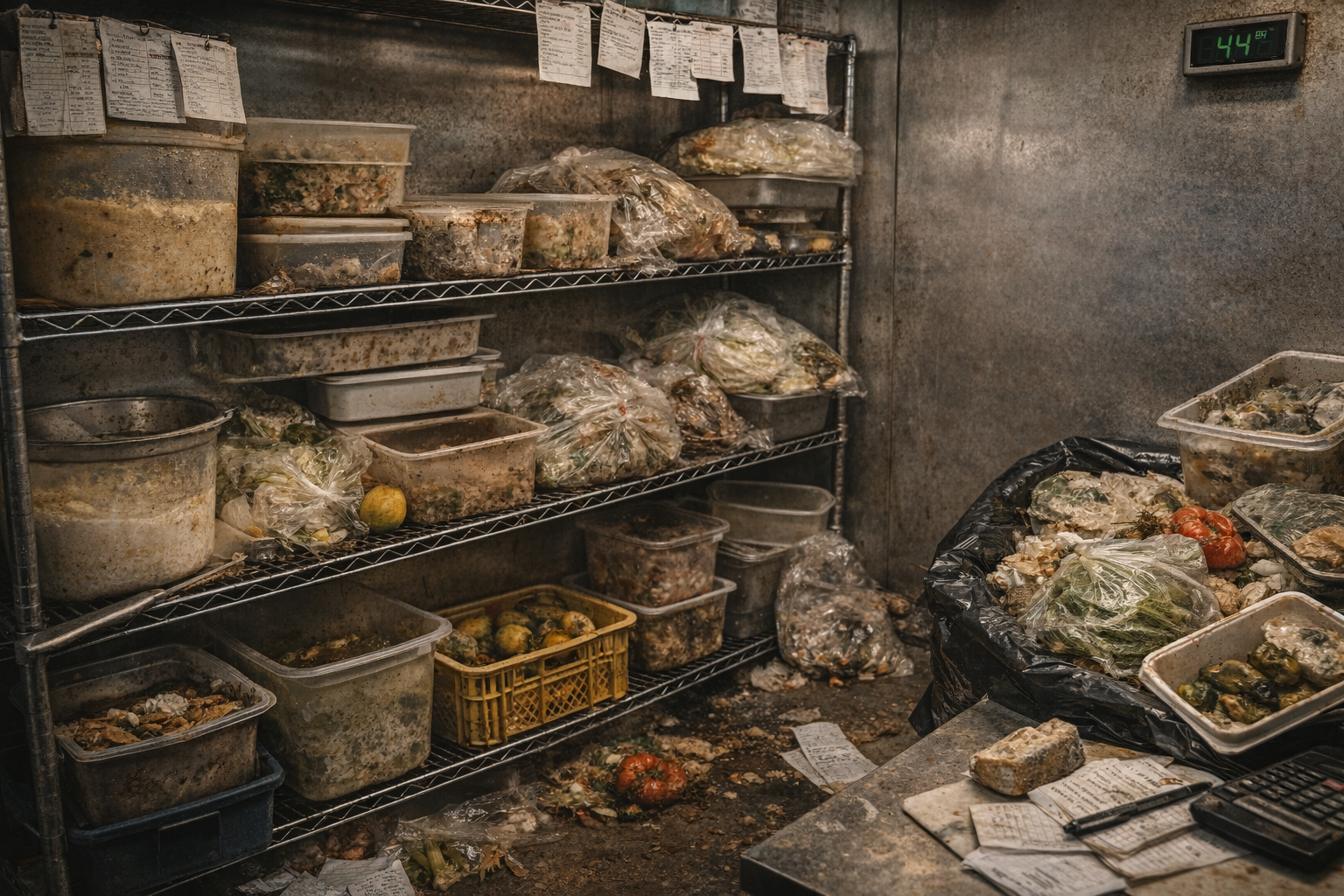
The money you're losing in your kitchen isn't being stolen. It's being thrown away. Overprepped mise en place at the end of service.
Proteins that sat too long because FIFO wasn't enforced. A case of avocados that went from ripe to garbage because nobody checked the walk-in on Sunday. Food waste is the quietest way a restaurant bleeds cash.
It doesn't show up as a single line item. It shows up as a food cost percentage that's two or three points higher than it should be, spread across dozens of small losses that nobody tracks. These videos cover the systems that catch it — inventory counts, waste logs, storage protocols, and the operators who've built the discipline to use them.
Where the Product Actually Disappears
Waste happens in three places and most operators only think about one of them. The obvious one is spoilage — product that expires, wilts, or goes bad before it gets used. That's a purchasing and storage problem.
The second is overproduction — prep quantities based on guesswork rather than actual sales data, sauces made in twice the volume needed, specials that don't sell. That's a planning problem. The third is overportioning, and it's usually the biggest.
A cook who eyeballs the protein instead of weighing it. A bartender who free-pours. A line that plates by feel because nobody enforced the spec.
Each plate is only off by a little, but multiply that across a hundred covers a night and you're giving away thousands every month. The fix for all three is the same: measure, record, review.
Where the Product Actually Disappears
Waste happens in three places and most operators only think about one of them. The obvious one is spoilage — product that expires, wilts, or goes bad before it gets used. That's a purchasing and storage problem.
The second is overproduction — prep quantities based on guesswork rather than actual sales data, sauces made in twice the volume needed, specials that don't sell. That's a planning problem. The third is overportioning, and it's usually the biggest.
A cook who eyeballs the protein instead of weighing it. A bartender who free-pours. A line that plates by feel because nobody enforced the spec.
Each plate is only off by a little, but multiply that across a hundred covers a night and you're giving away thousands every month. The fix for all three is the same: measure, record, review.
“The money you're losing isn't being stolen. It's being thrown away.”
The Systems That Stop the Bleeding
196 videosVideos on food waste, inventory management, FIFO storage, sustainability in commercial kitchens, and the real cost of not paying attention.
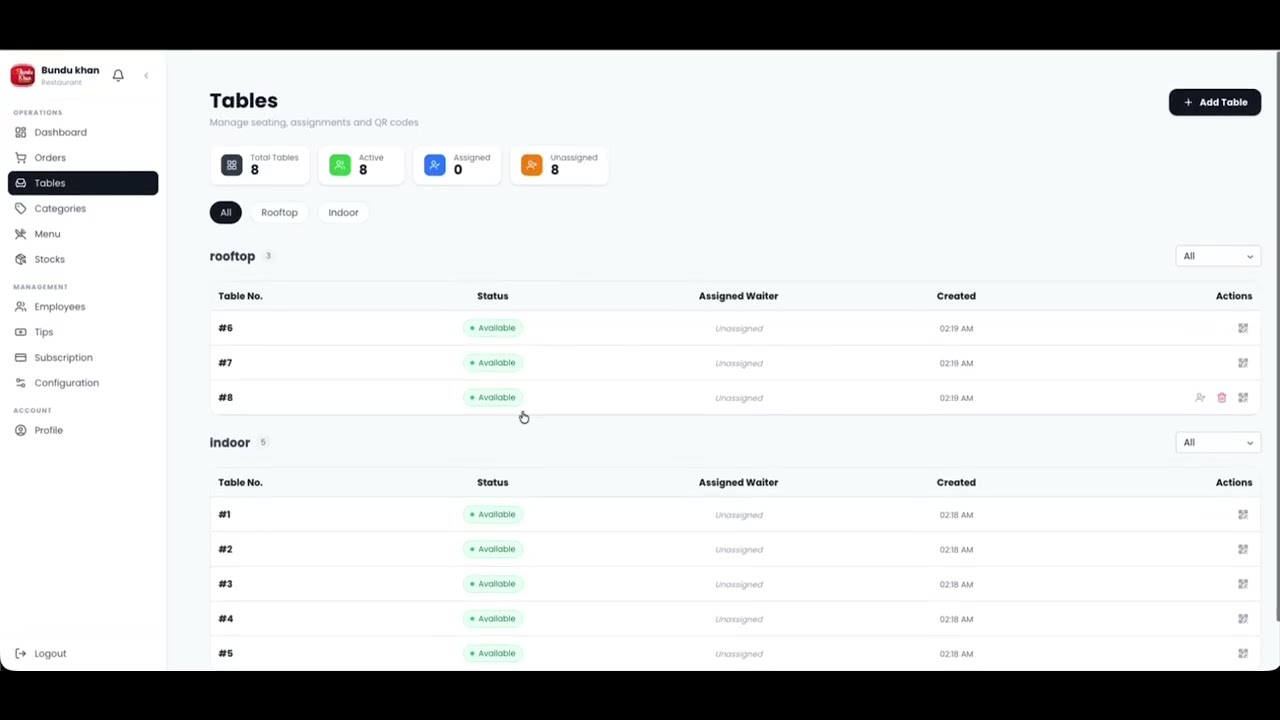
Restros — Restaurant Management System | Menu, Orders, Inventory and table | Restaurant Portal
Another restaurant management system promising to solve everything from inventory to table turns in one tidy dashboard. You've seen the pitch before — unified data, real-time tracking, seamless integration with your POS that definitely won't crash during Saturday dinner rush. The question isn't whether Restros can track your 86'd items or calculate food costs. The question is whether your team will actually use it when the tickets are backed up to the pass and the walk-in cooler is running warm.

4 Ways to Count Stock in Foodservice | Apicbase
You're either counting stock or your stock is counting you out of business. Four methods here, from the stone-age clipboard shuffle to automated systems that actually talk to your POS — each one a different level of knowing exactly what's walking out your back door. The kitchen that can tell you how many cases of ribeye moved last Tuesday versus last month is the kitchen that survives the next rent hike. Paper trails disappear, but numbers don't lie.
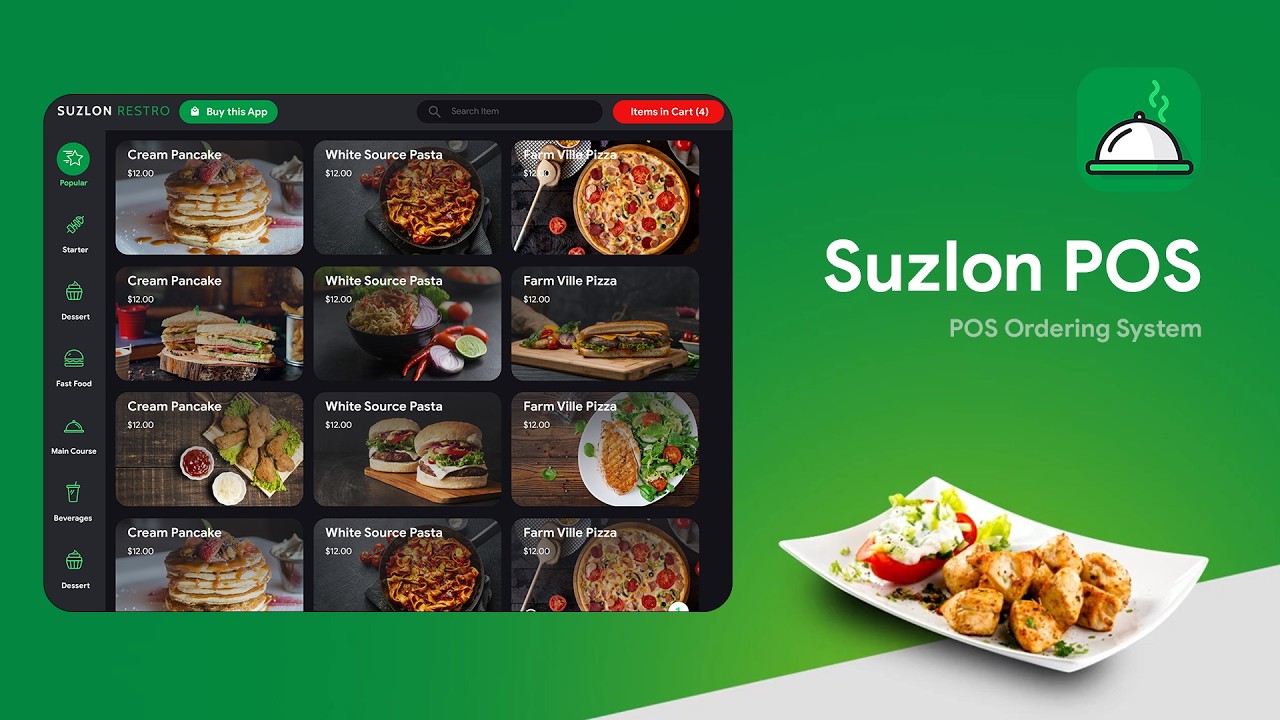
2 Apps | Restaurant Management Software with POS Desk | Suzlon POS | +91 7672 000 500
You're either running the numbers or the numbers are running you, and this POS demo cuts straight to the bone of restaurant survival math. Watch how they track every plate, every pour, every cent that walks out the door — because the difference between 28% and 32% food cost is the difference between making payroll and posting the "For Lease" sign. Anyone who's watched profit disappear into the black hole of poor inventory tracking knows exactly why these systems exist.

Part 10 Inventory Management
Your walk-in tells the story of whether you're running a restaurant or a restaurant is running you. Arbi breaks down the inventory systems that turn guesswork into actual data — the difference between knowing you're bleeding money on proteins versus watching your food cost creep up like a slow bleed. Every expediter who's ever had to 86 the special halfway through service because someone forgot to count portions knows exactly why this matters.

Restaurant Software in Bangladesh | Manage Orders, Sales, Stock & Reports MM IT SOFT LTD
You're either running the numbers or the numbers are running you, and watching someone build restaurant software in Dhaka reminds you that good operators speak the same language everywhere. The fundamentals don't change — track your food cost, know your covers, watch your waste — whether you're running a corner spot in Bangladesh or a bistro in Brooklyn. Software is just the tool; the discipline to use it daily is what keeps the lights on.

How to Calculate FIFO Inventory (The Easy Way)
You're either rotating your stock or your food cost is rotating you into the ground. This breakdown cuts through the accounting jargon to show you exactly how to track what came in when — because that case of ribeyes sitting in the back since Tuesday isn't getting any younger. The math is simple once you see it laid out, but the discipline to actually run it every week separates the operators who sleep at night from the ones staring at P&Ls wondering where it all went wrong.

Stop Losing Profit: The Inventory Count Mistakes To Change Now
Every Tuesday at 6 AM, you're standing in the walk-in with a clipboard, counting cases of romaine that somehow multiplied overnight while your ribeye inventory vanished into thin air. FORCS breaks down the three inventory mistakes that turn your weekly count from a necessary evil into actual intelligence — the difference between guessing at your food cost and knowing exactly where your margin walked out the back door. You're either counting smart or you're bleeding money in places you can't see.

The Top 4 Bar Inventory Apps of 2026
Your liquor costs are bleeding you dry and you know it, but most bar inventory apps are built by tech bros who've never worked a shift. Dave runs through four systems that actually work in the real world — the kind where your bartender calls out sick on Friday and you're pulling bottles at 2 AM trying to figure out where those cases of Tito's went. The numbers don't lie, but only if you're actually counting.
Food Wastages Control Training | How To Control Food Wastage | Food Wastages #chefdheerajbhandari
Chef Bhandari walks you through the math that separates restaurants that make money from restaurants that make excuses. Every trimming in the trash, every portion that walks back to the kitchen, every prep cook who doesn't rotate stock — it all shows up in your food cost at the end of the month. You're either controlling waste or waste is controlling your margins.

Ramada Plaza Hotel, Shaw's Bridge Tackles Food Waste
Food waste isn't just an environmental problem — it's money walking straight out your back door, and this Northern Ireland hotel figured out how to stop the bleeding. They're tracking waste by station, timing spoilage patterns, and turning kitchen discipline into actual profit margins. You're either measuring what hits the bin or you're guessing at food costs. The math doesn't lie.

Reusable take-out food containers can reduce plastic waste, emissions, costs
You're looking at 40 cents per container versus 12 cents, but here's what the spreadsheet doesn't show: reusables come back 80% of the time when you nail the deposit system. The math works if you're doing volume and your customers aren't treating takeout like a one-night stand. Anyone running delivery knows the real cost isn't the container—it's training your team to explain why that extra two bucks matters.
How To Stop Food Wastage At Restaurant | Control Food Wastage At Restaurant| Restaurant Consultancy
You're hemorrhaging money through the back door while you obsess over the front of house, and Chef Dheeraj walks you through the numbers that'll make you sick. Every shift, every station, every prep cook who doesn't understand portion control — it all adds up to the difference between making rent and closing down. He breaks down the systems that separate kitchens running 28% food cost from the ones bleeding out at 35%. Anyone who's ever watched a line cook build a sandwich knows exactly which one they're running.

How To Store RAw Material in Fridge | Restaurant Fridge Storage Training | Cafe Training Session
You're either running your walk-in like a system or you're burning money every service. Chef Dheeraj walks through the grid that keeps raw proteins from cross-contaminating and your food costs from bleeding out — top shelf beef, middle shelf pork, bottom shelf chicken, with proper spacing and rotation that actually works when you're in the weeds. The kind of training that separates kitchens that last from kitchens that close.

Restaurant Food Wastage Report | Kitchen Waste Control Kaisay Karay |Method Of Food Wastage Control
Every plate that hits the trash is a dollar that didn't hit your pocket, and Chef Bhandari breaks down the math you can't afford to ignore. You're either tracking your waste or your waste is tracking your margins into the ground. The systems he shows aren't revolutionary — they're the difference between a kitchen that survives and one that bleeds money through portion control that exists only on paper.

How Does RCE Measure and Manage Its Food Waste | ESG Regulations for Restaurants
RCE tracks every gram that hits the bin — not because they're tree-huggers, but because waste is theft from your bottom line. Eric Maurits breaks down their system: portion control that actually controls portions, inventory tracking that catches the leaks before they sink you, and staff training that turns your team into waste hawks. You're either measuring what goes in the trash or you're measuring how fast you go out of business.

The impact of food waste on a restaurant. @TheRestaurantMaster
You're throwing money in the dumpster every time that prep cook overportions, every time a server rings the wrong mod, every time you forget to rotate stock and watch Thursday's delivery turn into Sunday's loss. The numbers don't lie: most places are hemorrhaging 4-8% of revenue through waste, which is the difference between making rent and closing early on a Tuesday. This breaks down the real cost of every scraped plate and every walk-in cleanout — not the guilt trip version, the balance sheet version.

How To Reduce Food Waste In The Kitchen | Simple Living
You're burning through margins while perfectly good product hits the trash, and every operator knows that feeling in their gut when the waste sheet tells the real story. This Little Farmhouse breaks down the home kitchen version, but the principles translate straight to the line — rotation systems, proper storage, and the kind of mise discipline that turns scraps into specials. The money you save on waste goes straight to your bottom line, assuming you can get your team to actually follow through. Anyone who's watched a prep cook toss $40 worth of herbs because they couldn't be bothered with proper storage knows exactly what this costs.

Automate Restaurant Inventory with a Smart Digital Menu (Real-Time Updates) | Women Entrepreneurs
You're either running the numbers or the numbers are running you, and nothing burns through margin faster than a server telling table 12 they can have the salmon special that you 86'd three hours ago. This system syncs your POS with actual inventory counts so when the last ribeye walks, it disappears from every screen automatically — no more awkward conversations at the pass about what you don't have. Anyone who's watched a Saturday night implode because nobody updated the fucking board knows exactly why this matters.

Food Cost Control || How to Control food cost || Reduce Food Costs || Chef Raj Pundir
Chef Raj breaks down food cost control like he's reading your P&L over your shoulder — portion specs, proper rotation, tracking every ounce that walks out the back door instead of through the pass. You're either running the numbers or the numbers are running you. The math is simple: that 30% waste rate isn't just food hitting the trash, it's your margin walking out with it.

Using Data to Meet the Challenges of High Food and Labour Costs | Restaurant Trends
You're either running the numbers or the numbers are running you — and right now, with protein costs climbing faster than ticket times on a Saturday rush, most operators are getting crushed. Carl Jacobs breaks down how data becomes your sous chef when food costs hit 35% and labor hovers at 32%, walking through the math that separates restaurants that adapt from those that close. This isn't about fancy dashboards or predictive analytics — it's about knowing exactly where every dollar bleeds out before the bleeding kills you.

No More Food Wastage In Your Restaurant : Watch This Now! | Restaurant Manpower
You're hemorrhaging money every time that sauté pan scrapes the last of the mise into the trash, and Chefdhundo knows it. The math is brutal — most restaurants throw away 4-10% of everything they buy, which means your 28% food cost just became 32% without you noticing. Here's someone breaking down the actual systems that plug the leaks: portion control that works, storage that extends life, and inventory tracking that catches problems before they cost you next month's rent.

How To Control Food Waste By Doing Sustainable Sourcing of The Raw Materials? Dehradun Training
You're buying product twice when you toss spoiled inventory — once at delivery, once in the dumpster. This breakdown connects sourcing decisions to waste reduction, showing how choosing the right suppliers and storage protocols can cut your food cost by 3-4 points without touching portion sizes. Anyone running a 200-cover Friday knows that margin lives in the details.

Documentary: How to turn Food Waste into Biogas
You're throwing away 30% of your food budget in that dumpster behind your restaurant, and this German waste management system shows you how to turn scraps into actual energy instead of just another line item bleeding you dry. The math is brutal but simple: every pound of trim, every wilted garnish, every plate return represents money that walked out your back door. MEIKO's biogas conversion isn't just environmental theater — it's operators in Europe literally powering their kitchens with yesterday's waste stream. Anyone who's ever watched a prep cook dump a full hotel pan of yesterday's mise knows exactly how much money just hit the trash.

FIFO Perpetual Inventory System Example
You're either running your inventory or your inventory is running you straight into the red. Professor Quinn breaks down perpetual FIFO tracking — the unglamorous math that keeps your walk-in from becoming a science experiment and your food costs from eating your margins alive. Every case of romaine that goes black in the back corner is money walking out the door. This is how you stop the bleeding.
Count your key items weekly — the proteins, the dairy, the expensive produce. Compare what you bought to what you sold and what's left. The gap is your waste, your theft, and your overportioning combined.
A waste log records what gets thrown away and why. Not to punish anyone — to find the patterns. If you're tossing hollandaise every brunch service, you're making too much.
If avocados are going bad every week, you're ordering wrong. The data tells you what to fix. The discipline is doing the count even when you're tired.
Waste and food cost are two sides of the same problem. Cost Control covers the pricing and margin math that waste directly erodes. Kitchen Systems covers the workflow structures — prep lists, portion specs — that prevent waste at the source.