The guy who makes food cost math feel like a survival skill — because it is.
I've seen cruise ship galleys that make the busiest NYC restaurant look like a tea party, and this peek behind the curtain at waste management on a floating city is exactly what you need if you're serious about systems. The scale is insane, but the principles—from source reduction to inventory tracking—translate directly to any operation looking to stop bleeding money through the dumpster.
Golden Corral figured out what every operator knows but most won't admit: the buffet isn't about the food, it's about controlling your labor costs and food waste with surgical precision. While everyone else was crying about the death of all-you-can-eat, these bastards were quietly perfecting the math of volume feeding. This is a masterclass in operational survival when your margins live or die by how well you predict human gluttony.
I've watched too many cooks toss perfectly good product because they thought "best by" meant "poison after." This TED-Ed breakdown will save you money and make you feel less insane about the arbitrary dates that somehow dictate whether your walk-in is full of food or full of expensive garbage. Learn the difference before your food costs eat you alive.
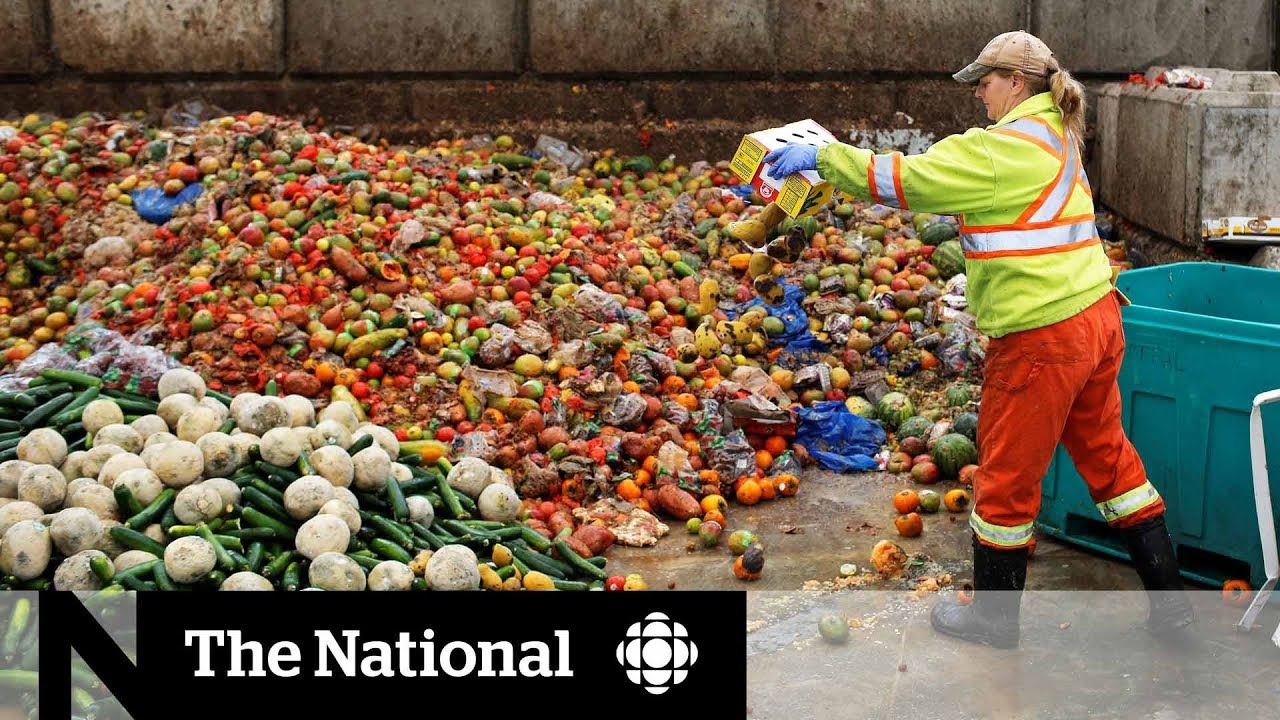
Look, I've thrown away enough perfectly good food to feed a small village, and every time it felt like lighting money on fire. This breakdown of why we waste a third of our food supply will make you rethink every carrot top and chicken bone that hits your trash. The math is brutal, but the solutions are surprisingly simple — exactly what operators need to hear.
I've watched suits talk about food waste for decades while throwing away perfectly good product every night, but these Canadian entrepreneurs actually get it — they're building real systems that turn waste into money instead of guilt. This isn't feel-good sustainability theater; it's operators figuring out how to stop bleeding cash on spoilage while actually feeding people.
Vegas finally figured out what I've been screaming about for years — your food waste isn't just money down the drain, it's a goddamn moral failure. Watching casino scraps get turned into pig feed instead of dumpster fodder makes me believe there might be hope for this industry's soul after all.
You know FIFO from the walk-in — old stock moves first, new stock goes in back — but this breakdown shows you the accounting math that makes or breaks your food costs. The same rotation logic that keeps your lettuce from turning into expensive compost translates directly to how you track every dollar of inventory moving through your system. Anyone running tight margins knows the difference between theoretical food cost and actual food cost lives in details like this.
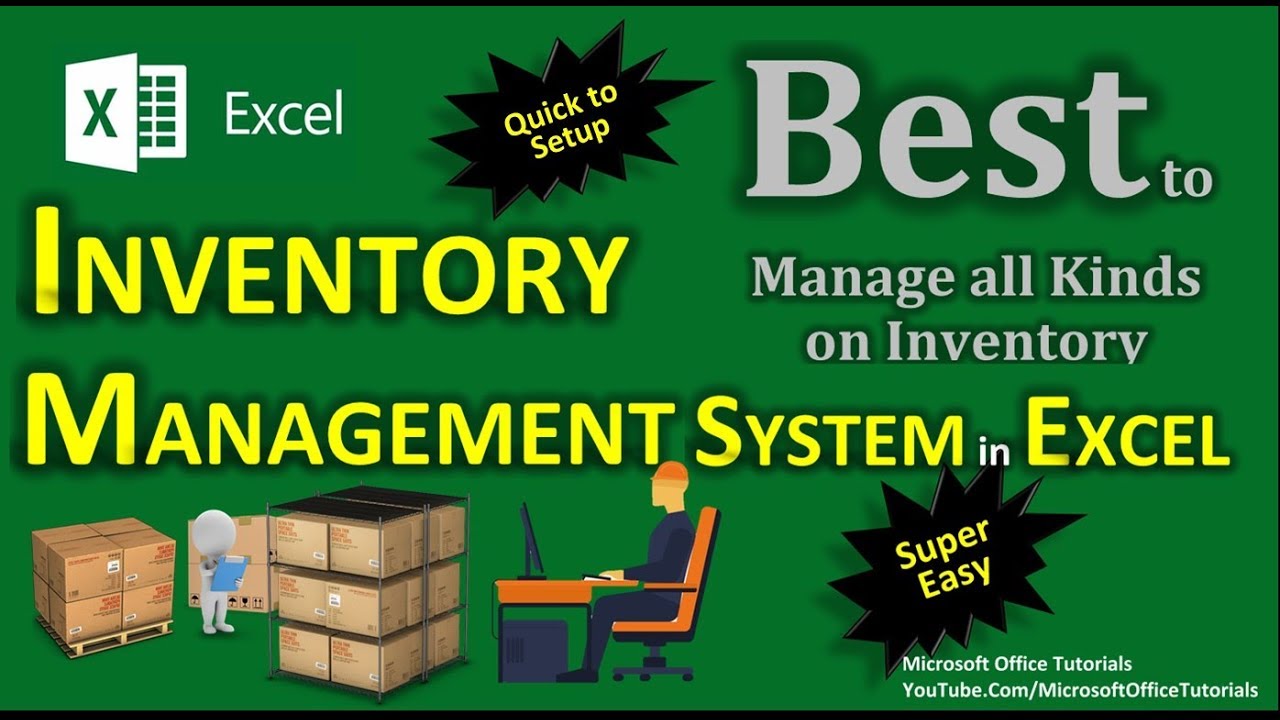
You're either tracking your inventory or your inventory is tracking you straight into the red. This Excel deep-dive strips away the fancy POS integrations and shows you how to build a stock management system that actually works — formulas that flag when you're burning through cases of San Marzanos faster than projected, alerts before you 86 the signature dish on a Friday night. Anyone who's ever had to explain why food costs spiked to 34% knows exactly why you need this spreadsheet living on your desktop.
I've watched too many good cooks get buried under shitty inventory systems that bleed money through pure incompetence. This Excel breakdown strips away the mystique and gives you actual tools to track what you have, what you need, and where your dollars are walking out the back door. Finally, someone who gets that inventory isn't glamorous—it's survival.
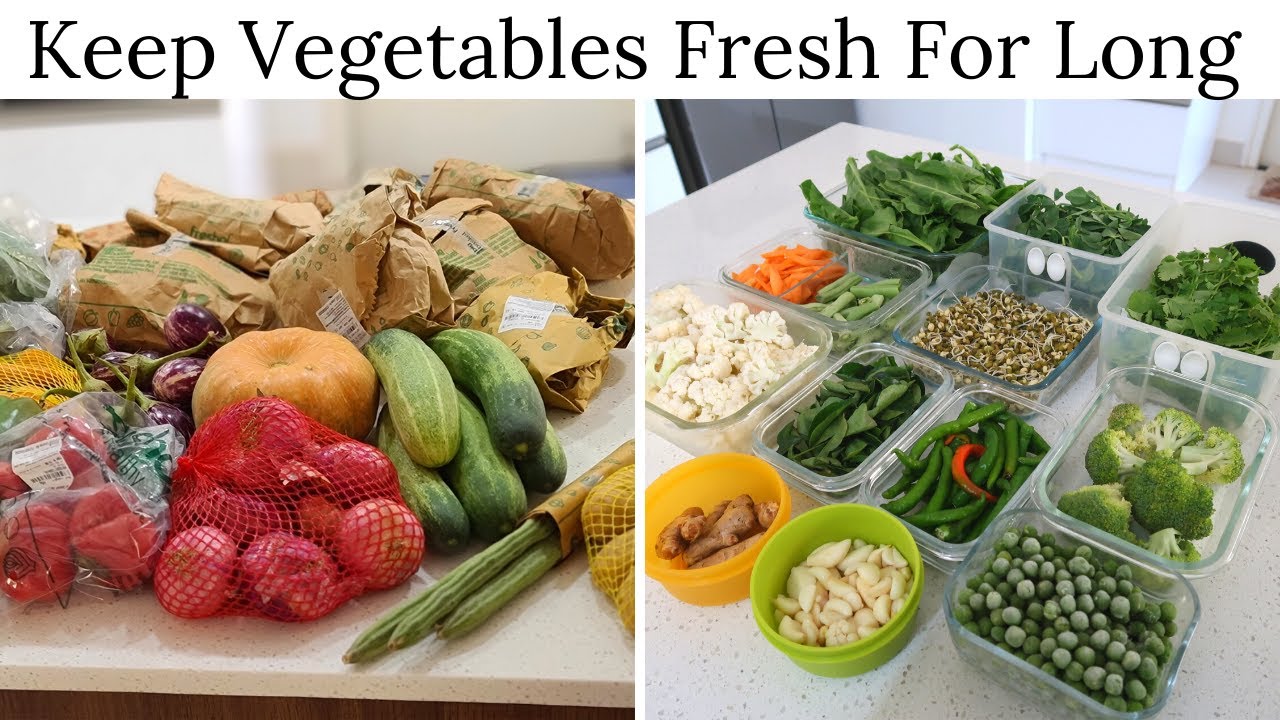
Your produce order comes in Tuesday and you're still pushing those peppers Friday night — this is the math that separates profitable kitchens from the ones bleeding money in the walk-in. Simple storage tweaks that add two days to your veg life are worth thousands in food cost over a year. You're either running the numbers or the numbers are running you.
Look, I don't care if Excel feels like spreadsheet hell — when your food costs are bleeding you dry and you're guessing at par levels like an amateur, this Microsoft tutorial becomes your lifeline. These systems aren't sexy, but they're what separates operators who survive from those who flame out wondering where their money went.
You're either tracking your inventory or your inventory is tracking you straight into the red. This breaks down the Excel mechanics for real stock management — the difference between knowing you have 12 cases of tomatoes versus finding out you're 86'd on marinara during the dinner rush. Anyone who's had to explain missing protein costs to an owner knows these numbers aren't suggestions.
We curate the noise so you don't waste your time.
Every week the ops tricks, the techniques, the stories worth your time.