Technique & Skill
There are two kinds of cooking knowledge. There's the kind you can read — ratios, temperatures, the science of emulsification. And there's the kind that lives in your hands.
The feel of properly developed dough. The sound of a correct sear. The instinct for when a sauce is thirty seconds from breaking.
The second kind only comes from repetition, and it's what separates cooks who are capable from cooks who are good. These videos are worth watching more than once. A great demonstration of knife work isn't educational the first time — it's educational the twentieth time, when you've done the cut yourself a hundred times and can finally see the specific thing you're still getting wrong.
Why Watching Isn't the Same as Learning
A skilled cook makes everything look easy, and that's the trap. The knife glides through the onion because a thousand hours of practice found the exact grip, angle, and motion that eliminates resistance. The sauce comes together in seconds because the cook knows instinctively when the temperature is right and how much fat to add.
None of it was natural. All of it was built through deliberate practice, usually with someone standing next to them correcting their wrist angle or their pan technique. Video can't correct your wrist.
But it can show you what correct looks like, clearly and repeatedly, so that when you practice, you know what you're aiming for. Watch carefully. Practice slowly.
Watch again and find what you missed.
Why Watching Isn't the Same as Learning
A skilled cook makes everything look easy, and that's the trap. The knife glides through the onion because a thousand hours of practice found the exact grip, angle, and motion that eliminates resistance. The sauce comes together in seconds because the cook knows instinctively when the temperature is right and how much fat to add.
None of it was natural. All of it was built through deliberate practice, usually with someone standing next to them correcting their wrist angle or their pan technique. Video can't correct your wrist.
But it can show you what correct looks like, clearly and repeatedly, so that when you practice, you know what you're aiming for. Watch carefully. Practice slowly.
Watch again and find what you missed.
“A great demonstration isn't educational the first time. It's educational the twentieth.”
The Foundations Worth Practicing
427 videosVideos on knife skills, cooking fundamentals, plating techniques, and the craft behind professional cooking at every level.
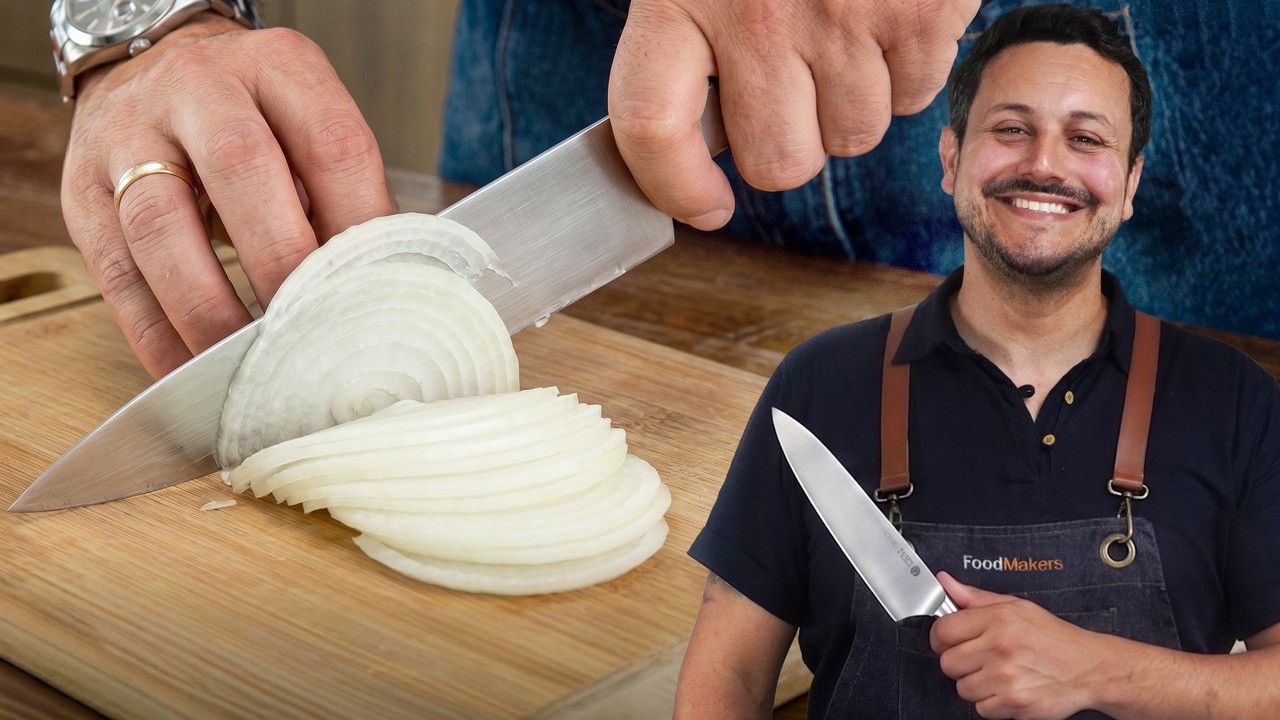
9 Técnicas com Faca que TODO Cozinheiro Precisa Saber
Nine knife skills that separate the weekend warriors from the people who show up at 5 AM to break down cases of protein. Your hands already know the difference between someone who learned from YouTube and someone who learned from repetition, muscle memory, and the occasional nick that teaches respect. This is the foundation work — the unglamorous precision that makes everything else possible.

How to Cut Onions Like a Chef ( Clean and Easy Method)"
The difference between someone who cooks and someone who works the line isn't just speed — it's the clean mise, the controlled blade, the onion that falls into perfect dice without a single tear or wasted motion. This breakdown strips away the YouTube tricks and shows you what your knife work should actually look like when you're prepping cases, not filming content. You can spot a real cook by their onions: uniform, efficient, and done before the next ticket prints.

Stop Ruining Vegetables ❌ | How to Cut 7 Vegetables Correctly ✅ | Japanese Chef
You've seen cooks hack through an onion like they're splitting kindling, then wonder why half the kitchen is crying and the dice looks like confetti. This Japanese chef breaks down seven vegetables with the kind of precision that takes years to develop — proper grain direction, blade angle, the difference between a chop and a cut. Watch how he handles that daikon: every slice uniform, zero waste, maximum surface area for whatever's coming next.

Only Professionals Dare Do This to a Giant Tuna #tunacutting #bluefintuna #knifeskills
You don't pick up a yanagiba and start breaking down 200-pound bluefin because you watched a YouTube tutorial. This is what fifteen years of daily knife work looks like — the blade follows the grain like it's reading a map, every cut deliberate, nothing wasted. Watch the hands: steady, sure, respectful of both the steel and the fish that died for this moment. Anyone can swing a knife; few earn the right to touch fish this expensive.
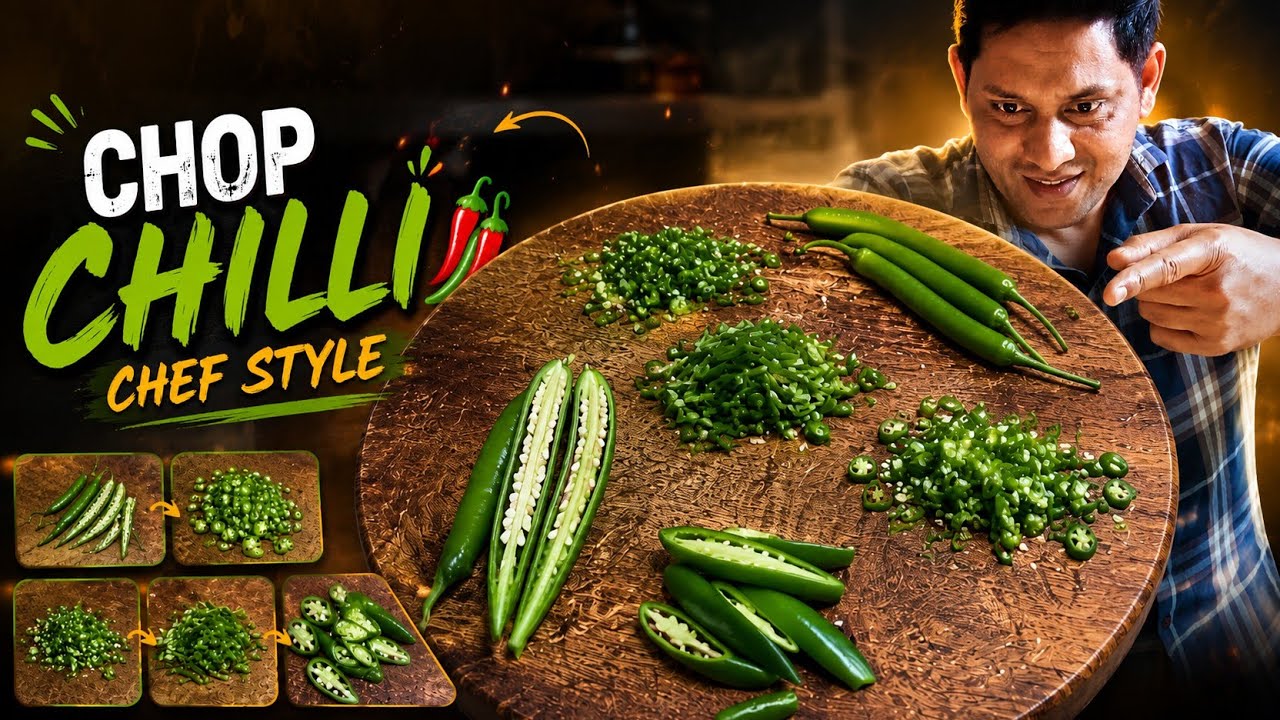
Chef style green chilli cutting techniques | slit, deseed, chop, slice | chef style |
Those knife cuts aren't flashy — they're clean, consistent, purposeful. Chef Sandeep breaks down four essential green chili techniques with the kind of precision that only comes from years of mise prep, when you've learned that sloppy knife work means sloppy service. You can spot a line cook's experience level just by watching them handle a chili. This is how the good ones do it.
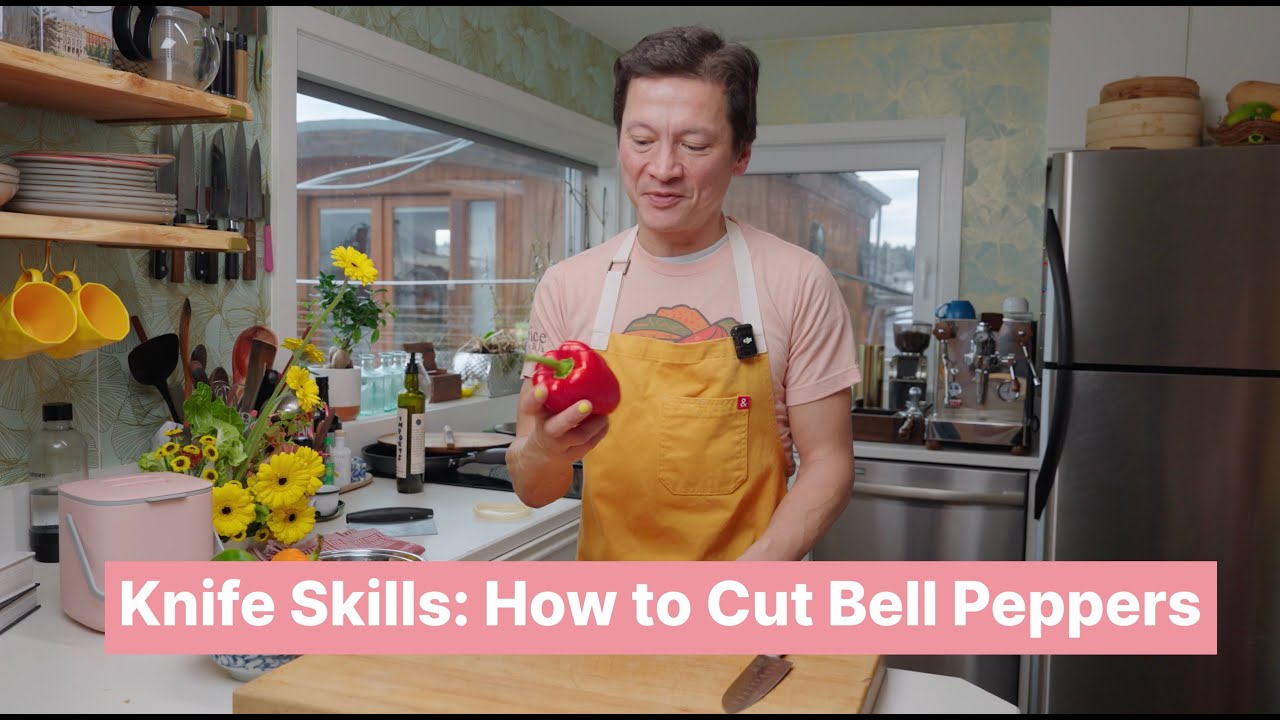
Knife Skills: How to Cut Bell Peppers
Kenji breaks down pepper cuts with the methodical precision of someone who's brunched a thousand covers and knows that consistent dice means consistent cook times. You can watch a cook's knife work and immediately clock their experience level — the hesitation, the angle, whether they're fighting the pepper or working with it. This isn't flashy technique porn, it's the fundamental geometry that separates the cooks who last from the ones who don't.
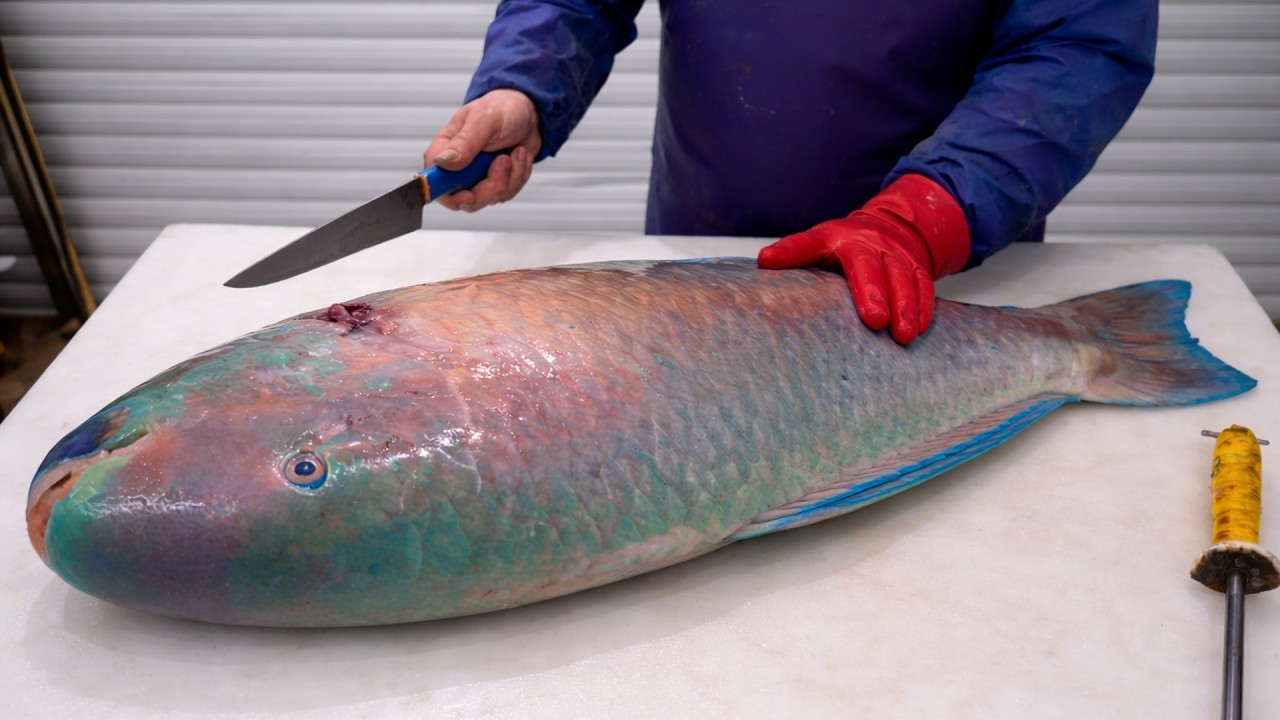
Crazy Fast Fish Cutting ( Parrot Fish ) Technique (Must See!)
You've watched a thousand prep cooks hack through fish like they're chopping firewood, then you see hands like these. Every cut is deliberate — the blade follows the bone structure like it's reading a map, and that parrot fish comes apart in clean, perfect portions without a scrap of waste. This is what 10,000 fish looks like distilled into muscle memory.

Professional Butcher Meat Cutting Master | BAKRE KI RAAN OR CHAMP KI CUTTING |
Watch someone who's broken down thousands of lamb legs work a blade like it's an extension of his hand — every cut deliberate, every movement economy in motion. You can see the years in how he reads the muscle grain, finds the seams, makes it look effortless while most of us would hack our way through like amateurs. This is what real knife skills look like when they've been earned over decades, not learned from a YouTube playlist.
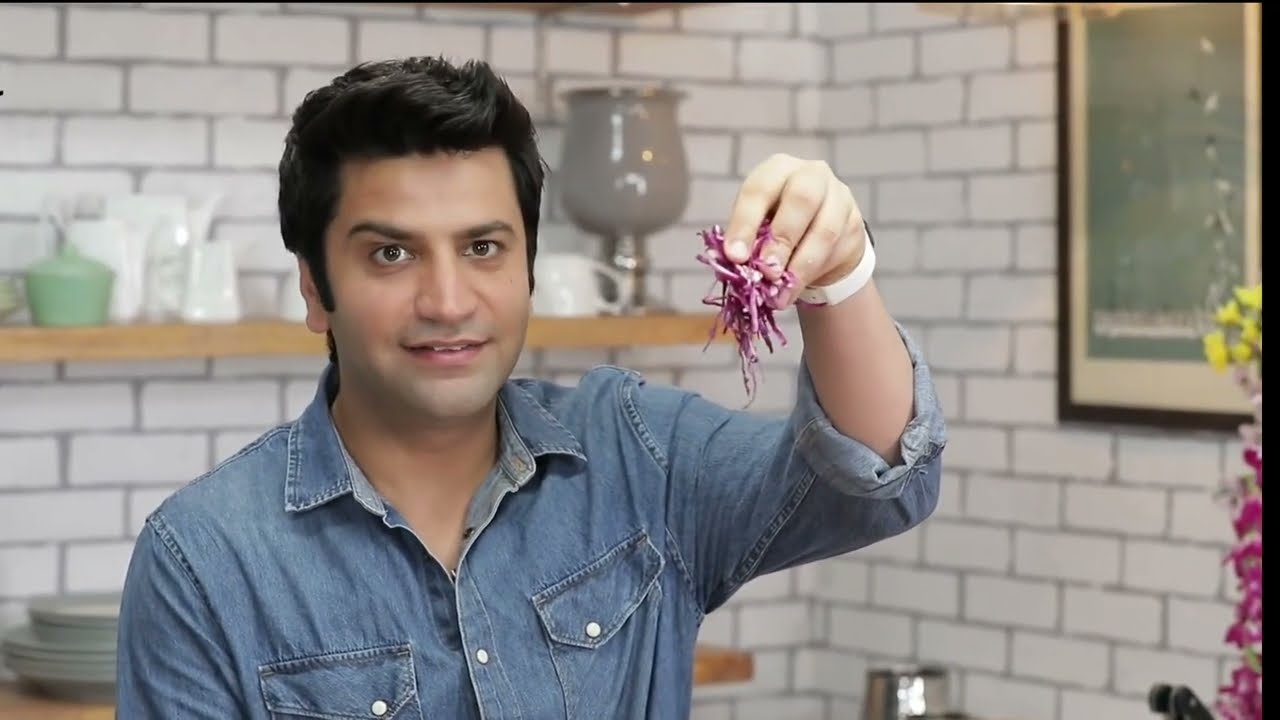
Professional Chef Knife Skills | Amazing Food Cutting Techniques Compilation 2026
Watch someone who's put in the hours and you can see it in their hands — the blade moves like breathing, every cut deliberate, no wasted motion. These aren't Instagram tricks or flashy nonsense, just clean technique that comes from doing it wrong ten thousand times first. The kind of knife work that makes the line run smooth because your brunoise is actually uniform and your proteins hit the pan at the exact same thickness. You either have the muscle memory or you don't.

The Serious Eats Guide to Charcoal Grilling
You can sauce a ribeye with truffle oil and call it elevated, or you can learn why lump charcoal burns hotter than briquettes and actually taste the difference. Serious Eats breaks down the science behind what every backyard warrior thinks they already know — the kind of foundational knowledge that separates someone who grills from someone who understands fire. Anyone who's worked a wood-fired station knows there's no faking your way through real heat management.

How to Sear a Steak
You've watched a thousand steaks hit the pan, heard that satisfying hiss that means the surface is hot enough to build a proper crust. Karl Engel breaks down the science behind what your hands already know — why that initial sear locks in the kind of flavor that keeps people coming back on a Tuesday night. This isn't Instagram food porn or celebrity chef theater. Just a guy who understands that a perfectly seared piece of protein is the difference between a good plate and an empty dining room.
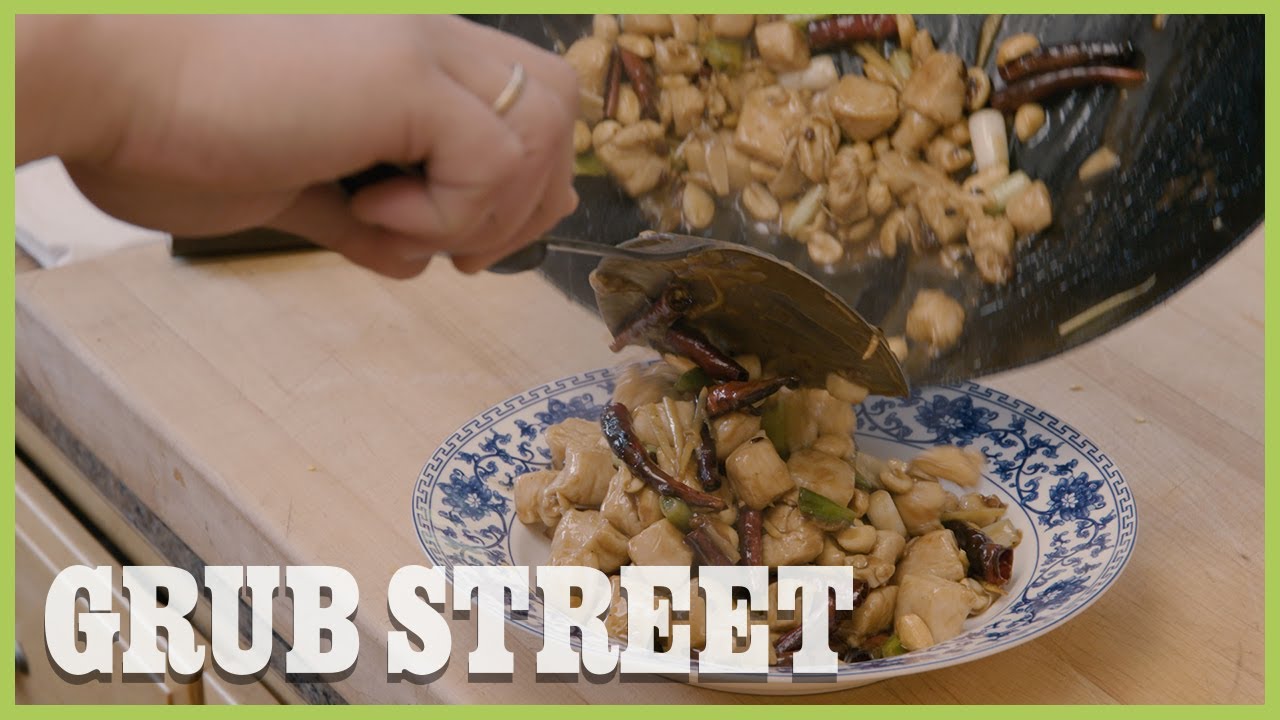
J. Kenji López-Alt's Kung Pao Chicken
López-Alt breaks down kung pao like he's teaching a stage — the difference between dried Tianjin chilis and whatever's gathering dust in your walk-in, why you bloom the Sichuan peppercorns until they crack, the exact moment when garlic goes from golden to bitter. You can hear twenty years of tasting in his voice when he talks about the sauce ratios. This isn't fusion or interpretation — it's someone who did the homework showing you how the dish actually works.

Why Japanese Chefs Slice Kinmedai Like This | Sashimi Knife Technique
The blade moves through kinmedai in one unbroken draw, not the sawing motion most cooks default to when they're nervous about expensive fish. Japanese sashimi technique isn't about the knife — it's about trusting the steel and your hand enough to commit to the cut. You either slice clean or you don't, and the difference shows up immediately in how the flesh sits on the plate. Ten thousand cuts to get this smooth.
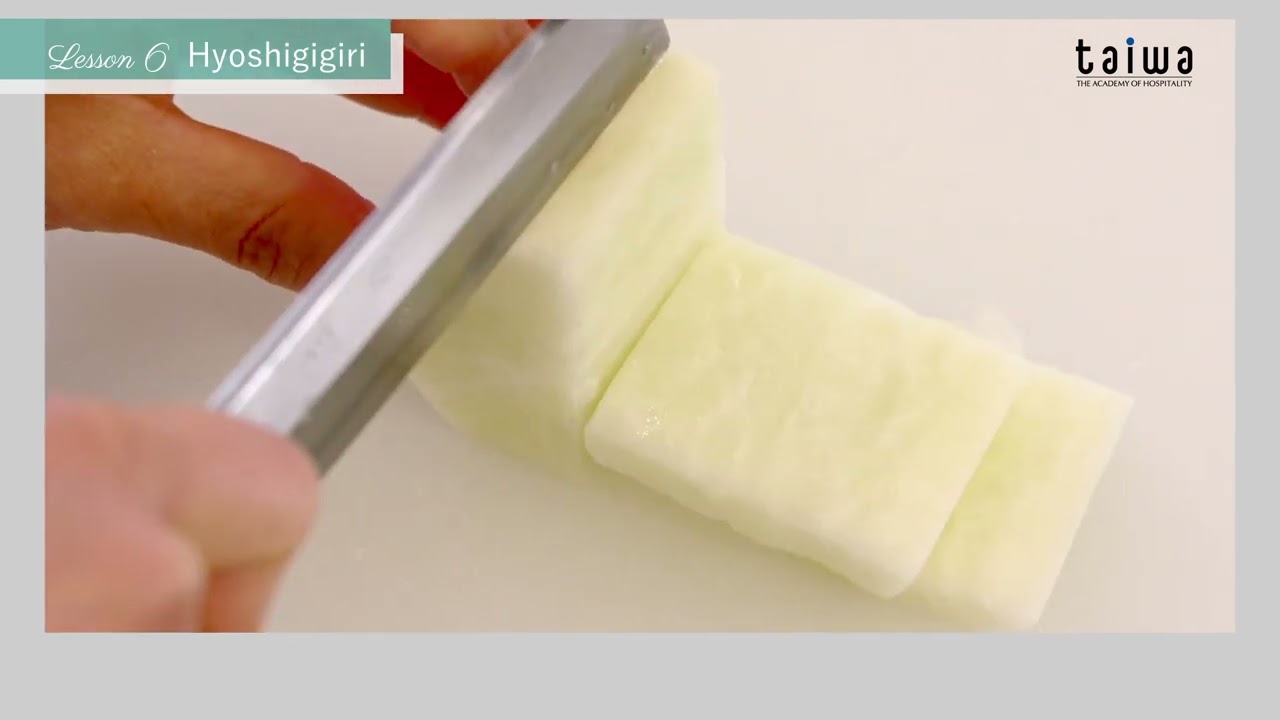
Basic Japanese Knife Skills: Essential Vegetable Cutting Techniques | Kyoto Culinary Art College
Watch a Japanese culinary instructor move through vegetables with the kind of precision that comes from ten thousand repetitions, each cut deliberate and clean. You can hear the difference between someone who learned knife work properly and someone who just hacks through prep — the blade whispers instead of thuds. The fundamentals here aren't flashy, but every line cook who's ever fallen behind during service knows exactly how much speed comes from getting your basics bulletproof.

how to cut tuna pro cutter method | tuna | fish | techniques | fish cutter tuna🐟
Watch this cutter work a whole tuna and you'll see fifteen years of knife skills compressed into three minutes of fluid motion. The blade never hesitates, never corrects — each cut follows the natural seams of the fish like he's reading a map only he can see. You can teach someone to fillet in a week, but this kind of zero-waste precision that turns a 200-pound fish into perfect portions without a single torn muscle fiber? That's the difference between a cook and a craftsman.

How to Make the Perfect Pan Pizza | Serious Eats
Serious Eats breaks down pan pizza like they're reverse-engineering your childhood — the kind with a bottom so crispy it sounds like breaking glass and a top that pulls apart in molten cheese strings. This isn't about technique for technique's sake; it's about understanding why that one slice from the corner joint still haunts your dreams after fifteen years in professional kitchens. You can geek out on hydration percentages and Maillard reactions all you want, but sometimes the best education comes from chasing a memory. They show you how to build it right.

How to Sous Vide Steak | Serious Eats
Serious Eats teaching sous vide steak sounds academic until you realize this is the technique that lets a line cook nail perfect medium-rare on 47 ribeyes during a Saturday night crush. The precision isn't about showing off — it's about consistency when you're in the weeds and can't babysit every piece of protein on the plancha. Anyone who's ever sent back an overcooked $60 steak knows exactly why this matters.

Lamb Meat & Cutting skills Butcher Traditional mutton karahi cut
Watch a master halal butcher break down lamb with the kind of precision that comes from doing this exact motion ten thousand times. Every cut follows the grain, every piece lands exactly where it needs to be — no waste, no hesitation, just muscle memory guiding steel through meat. You can smell the iron and fat through the screen. This is what real knife skills look like when your rent depends on speed and your reputation depends on never missing a sinew.

How to Butter-Baste a Steak | Serious Eats
You've watched a thousand steaks hit the pan, but Serious Eats breaks down the butter baste like they're teaching surgery — methodical, respectful, with the kind of precision that separates the cooks who care from the ones just flipping protein. The technique isn't new, but watching someone explain the why behind the tilt and the spoon makes you remember that even the fundamentals deserve your full attention. This is how you teach someone to love the craft instead of just feeding the machine.

How to Reverse Sear a Steak | Serious Eats
The reverse sear isn't some Instagram chef flex — it's what happens when someone actually thinks through the physics of protein and heat instead of just cranking the flame. Kenji walks you through the method that gives you wall-to-wall pink with a crust that sounds like applause when you cut it. You've probably been doing this backwards your whole career, starting hot and finishing gentle, when the reverse gives you control that actually matters during service.

Chef Max McKenzie - Pop-up restaurant
McKenzie's running a pop-up with the kind of precision that only comes from years of getting your ass kicked in real kitchens — every plate hits the pass like it's been plated a thousand times before. You can see it in the way he moves around proteins, the confidence in his seasoning hand, the fact that he's not frantically checking every garnish twice. This is what happens when someone actually knows their craft instead of just talking about it.

Food + Design at Heidi's Chef Table
You can design a menu that photographs beautifully, but Munson's looking at something deeper — how the plate architecture actually supports the eating experience. Watch him break down sight lines, fork angles, and the way each component guides the guest through the dish. This isn't Instagram theater; it's functional craft dressed up pretty.

Karmakamet Conveyance Bangkok Tasting Menu 12 Courses 9 Champagnes
Twelve courses, nine champagnes, and every plate that hits the pass carries the weight of Bangkok's most watched opening in years. You can see it in the plating — the kind of precision that only comes from running the same motion a thousand times until muscle memory takes over. This isn't theater food or Instagram bait. This is what happens when technique meets intention and someone actually knows how to run a tasting menu without the wheels falling off.
![A L'aise, Oslo: Michelin 13 course full tasting menu [2020]](https://i.ytimg.com/vi/2j7W-vYfrjo/maxresdefault.jpg)
A L'aise, Oslo: Michelin 13 course full tasting menu [2020]
Thirteen courses from a chef who earned his stripes in actual Michelin kitchens, not Instagram fame farms. Watch Jepsen's hands — the way he builds each plate with the kind of precision that only comes from years of getting destroyed by expos who demand perfection. This isn't molecular theater or avant-garde nonsense. This is what happens when technique meets restraint, and every garnish has a reason to exist.
A cook who can break down a case of onions in ten minutes has twenty more minutes for everything else on the prep list. After the knife: heat management. Reading a pan.
Knowing the difference between a sear and a steam. Understanding what oil temperature actually sounds like. Then plating — not as decoration, but as the final step in communicating what the dish is supposed to be.
Each skill builds on the one before it, and none of them have shortcuts.
Technique and equipment are inseparable — understanding your tools is part of executing properly. Equipment & Tools goes deeper on the gear. For the business context that makes these skills valuable, Cost Control and Menu Design show how craft translates into a menu that works financially.