Hygiene & Safety
The health inspector is not the standard. You are. If your kitchen is only clean when someone from the city might walk in, you've already failed — you just haven't gotten caught yet.
Food safety is the one area where cutting corners doesn't just cost money. It hurts people. A bad batch of hollandaise held at the wrong temperature, a cutting board that wasn't sanitized between proteins, a walk-in running two degrees too warm — these aren't abstractions.
They're the things that send customers to the hospital and shut restaurants down overnight. These videos cover the systems, training, and daily habits that keep a kitchen safe. Temperature logs.
Cleaning schedules. Proper storage. The boring, non-negotiable work that separates professionals from people playing restaurant.
The Corners That Get Cut First
It always starts small. The thermometer check gets skipped because service is busy. The sanitizer bucket doesn't get changed between lunch and dinner.
The new hire never got properly trained on allergen protocols because there wasn't time. Date labels get approximated instead of accurate. The walk-in gets organized when it's convenient instead of on a schedule.
None of these feel like a big deal in the moment. They feel like the normal compromises of a busy kitchen. But food safety failures are cumulative.
The kitchen that skips the thermometer check today is the same kitchen that serves undercooked chicken next month. The systems exist to prevent the moment of inattention from becoming an incident.
The Corners That Get Cut First
It always starts small. The thermometer check gets skipped because service is busy. The sanitizer bucket doesn't get changed between lunch and dinner.
The new hire never got properly trained on allergen protocols because there wasn't time. Date labels get approximated instead of accurate. The walk-in gets organized when it's convenient instead of on a schedule.
None of these feel like a big deal in the moment. They feel like the normal compromises of a busy kitchen. But food safety failures are cumulative.
The kitchen that skips the thermometer check today is the same kitchen that serves undercooked chicken next month. The systems exist to prevent the moment of inattention from becoming an incident.
“The health inspector is not the standard. You are.”
Building a Kitchen That's Clean by Default
148 videosVideos on food safety certification, health code compliance, kitchen cleaning procedures, and the daily routines that keep restaurants out of trouble.

Cafe Menu | Continental Cuisine Cafe Menu | Coffee ☕ Menu | Continental Menu
You're watching someone build a continental menu that actually works on the line — not Instagram bait, but real items your crew can execute during a rush. Notice how every dish shares proteins and prep techniques, because the smartest menu is the one that doesn't break your mise en place when you're in the weeds. This is operational design disguised as menu planning.

Cafe Second Sip Team Breafing | How To Motivate Cafe Kitchen Team
You can hear everything you need to know in the first thirty seconds — how he talks to his team, who's making eye contact, who's checking their phone. The difference between a crew that shows up and one that shows up ready isn't the pep talk or the motivational poster on the break room wall. It's whether your people believe you see them as actual humans worth investing in, not just bodies to fill shifts.

Food Hygiene Level 2 | Personal Hygiene for Food Handlers
You can spot the operator who's never had a health inspector walk their line during lunch rush — they're the ones rolling their eyes at "basic" hygiene training. This isn't about following rules for the sake of rules; it's about the difference between passing inspection and watching your doors get sealed while you're still paying rent. Anyone who's had to explain cross-contamination protocols to a new hire at 7 AM knows exactly why these fundamentals matter. The health department doesn't care about your James Beard nomination when they find improper handwashing procedures.

Professional Helper kya Hota hai | Kitchen Helper Salary In India | Kitchen Helper Job in india
Most operators treat kitchen helpers like disposable labor, then wonder why their mise is fucked and their dish pit's backing up. Bhandari breaks down the actual economics — what these positions cost, what they're worth, and how proper training turns your biggest expense into your most reliable foundation. You're either investing in the people who touch every plate, or you're watching good helpers walk to the place that does.
Food Safety and Hygiene in the UK Legal Requirements Explained
The council inspector doesn't care about your beautiful plating when they find improper storage temps or missing HACCP logs. This breaks down UK food safety law in terms operators actually need — the temperatures that'll save your license, the documentation that keeps you open, the systems that turn compliance from daily panic into muscle memory. You're either running the standards or they're running you out of business.

Pass the 2026 Nevada Food Handler Card Test Part 1 With These 40 Real Practice Questions
The difference between a kitchen that passes health inspections and one that gets shut down isn't luck — it's knowing the exact temperature danger zone, the proper sanitizer concentration, and how long you can hold that soup before it becomes a lawsuit. Nevada's food handler requirements aren't bureaucratic theater; they're the baseline knowledge that keeps your doors open and your customers from getting sick. You either know that chicken needs to hit 165°F internal or you learn it the hard way when the health department shows up during your busiest shift.

HACCP Explained for Food Businesses | 7 Principles of HACCP | Food Safety System in India
Seven principles that stand between you and the health department shutting you down, explained without the regulatory doublespeak that makes your eyes glaze over. HACCP isn't some corporate buzzword — it's the difference between tracking your cold chain like your rent depends on it (it does) and explaining to your landlord why the walk-in hit 45 degrees over the weekend. You've memorized ticket times and food costs; now memorize the critical control points that keep your doors open.

Food safety begins before you enter the kitchen.
The health inspector doesn't care that your garde manger showed up hungover or that your new hire thinks handwashing is optional — they see one glove violation and suddenly you're explaining a failed inspection to ownership. This breakdown of pre-shift hygiene protocols isn't about being nice to have, it's about the difference between staying open and watching your labor budget evaporate during a forced closure. You can teach knife skills and build speed, but you can't fix stupid when it comes to basic food safety.

What Is Danzer Zone | What is Safe Zone | HACCP Training Session | Cafe HACCP TRAINING
The danger zone isn't kitchen philosophy — it's 40°F to 140°F, where bacteria doubles every twenty minutes and your insurance doesn't care about your intentions. Chef Dheeraj breaks down the temperatures that separate professional kitchens from lawsuits, covering the HACCP fundamentals that keep health inspectors nodding and your doors open. You're either tracking temps or explaining why you weren't.

Understanding the difference between cleaning and sanitizing
You're either running clean systems or you're running scared of the health department. This breaks down the difference between getting grease off a surface and actually killing the bacteria that'll shut you down — because soap and water gets you halfway there, and halfway gets your permit pulled. Anyone who's watched a prep cook "sanitize" with the same rag they've been using all morning knows exactly why this matters.

Chef Dominic Hawkes Teaches Food Handling Safety while Preparing a Chef Salad
![Food truck Health Code Requirements [ Food Truck Inspections Checklist] FULL TUTORIAL 2023](https://i.ytimg.com/vi/sSSLecA72mk/hqdefault.jpg)
Food truck Health Code Requirements [ Food Truck Inspections Checklist] FULL TUTORIAL 2023
You can nail every dish on the menu, but one inspector with a clipboard can shut you down in twenty minutes. This breakdown walks through the checklist that separates the trucks still slinging from the ones posting "closed for repairs" on Instagram. The regulations aren't suggestions — they're the difference between running 200 covers on a Saturday night and explaining to your regulars why the window's dark.

How to Properly Store Trash and Recyclables for Food Handlers
Nobody talks about waste flow until the health inspector shows up and your prep cook is walking through the dining room with a bag of shrimp shells. This breaks down the system that keeps contamination out of your kitchen and keeps you from explaining to customers why there's garbage juice on the floor where they're trying to eat. You're either controlling your waste streams or they're controlling your permit.

Is Your Favorite Restaurant Serving Safe Food
You're either running the numbers on your HACCP logs or the health department is running them for you. This breakdown of what inspectors actually look for isn't theoretical — it's the difference between staying open and watching your labor costs evaporate during a forced closure. The real operators know that food safety isn't about passing inspection, it's about building systems that work when you're running 300 covers on a Saturday night with two call-outs.
10 Kitchen Hygiene Golden Rules
The health inspector doesn't care about your mise en place or your weekend covers — they care about whether your kitchen can pass a surprise visit on the worst Tuesday of your life. This breakdown hits the fundamentals that separate operators who sleep at night from those who wake up in cold sweats wondering if yesterday's temp logs will shut them down. You're either running the standards or they're running you into the ground.

Canteen Audit & Inspection , Food Safety & Hygiene Compliance Checklist, Pantry Audit
You can smell a failing health inspection three weeks out — sticky floors that never quite get clean, reach-ins running warm, staff who've stopped washing their hands between tasks. This systematic audit breakdown shows you exactly what the inspector sees when they walk your line, from the temperature logs you forgot to fill out to the sanitizer buckets running weak. The checklist isn't about passing inspection. It's about not killing your customers.

How To Avoid Food Cross Contamination | Food Safety | Kitchen Hygiene #chefdheerajbhandari
Cross contamination isn't just a health department checkbox — it's the difference between making money and watching your margins disappear into waste, comps, and the kind of reputation damage that takes years to repair. Bhandari breaks down the systems that keep your kitchen moving without the panic of wondering if that chicken juice found its way onto the garnish station. You're either building habits that protect your bottom line or you're gambling with every plate that leaves the pass.

what is food hygiene | how to implement food hygiene in a restaurant
Sanjay walks through food hygiene like he's explaining it to a new hire on their first shift — no shortcuts, no assumptions, just the systems that keep your doors open. You're either controlling cross-contamination or explaining to the health inspector why you're not. The difference between a kitchen that survives inspection and one that gets shut down isn't passion or talent. It's this.
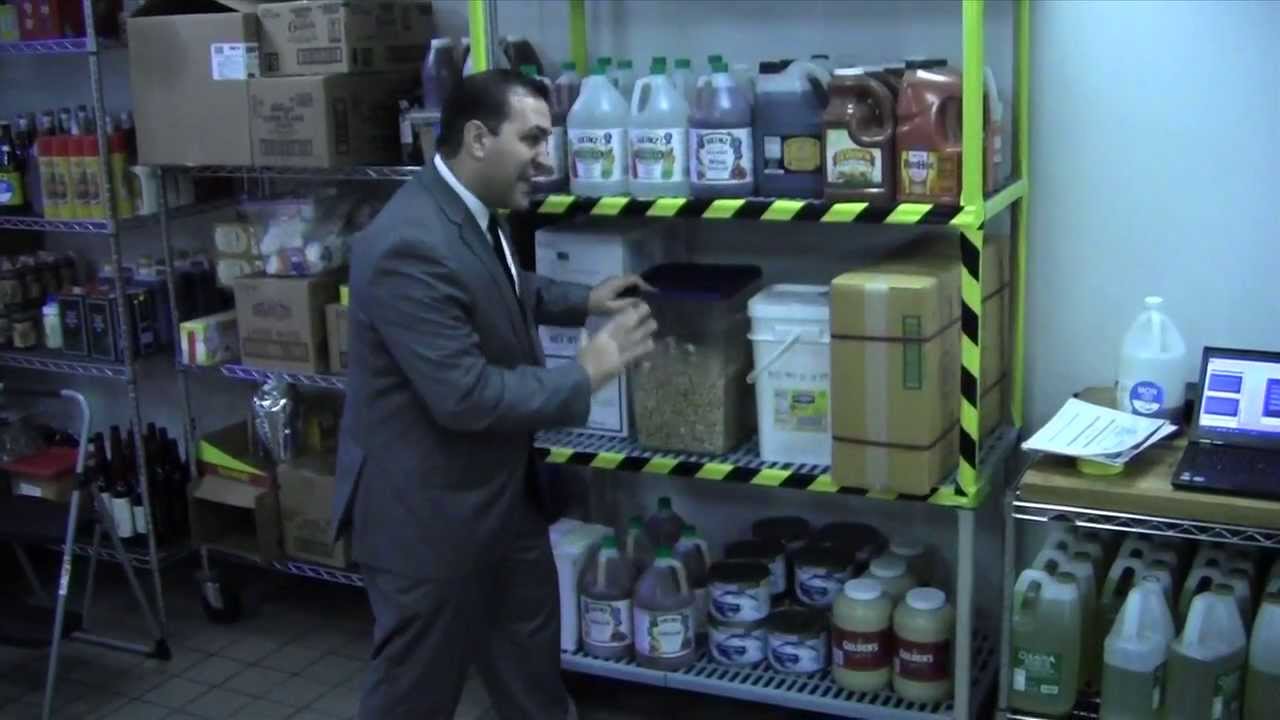
Restaurant Associates - Shelf Safe Storage Plan-O-Gram
Compass Group figured out what every health inspector already knows — your storage system either passes or it doesn't, and there's no middle ground when the clipboard shows up. Their shelf-safe plan-o-gram isn't revolutionary, it's just ruthlessly systematic: every product has a spot, every spot has a reason, every reason connects to keeping people from getting sick. You can smell the desperation in kitchens where cooks are guessing at rotation dates and jamming cases wherever they fit. This is what organization looks like when 86'ing someone means more than running out of salmon.

FSSAI 12 Golden Rules for hygiene of hotels, restaurants --Summary
You can frame all twelve rules on the wall, but your health inspector isn't checking your poster — they're checking your hand-washing station, your cold holding temps, and whether your prep cook actually knows the difference between sanitizing and cleaning. This breakdown cuts through the regulatory language to show you what FSSAI actually wants to see when they walk through your door. The kitchen that survives the inspection is the one that builds these rules into muscle memory, not the one that memorizes them the night before.

What are the 7 Principles of HACCP? || ☢️7 Important points of HACCP Everyone should know in kitchen
Seven principles that stand between your kitchen and a health department shutdown. This isn't food safety theater — it's the systematic approach that keeps you serving customers instead of explaining to lawyers why someone got sick off your chicken special. Every principle maps to something you're already doing, just not consistently enough to sleep through the night.
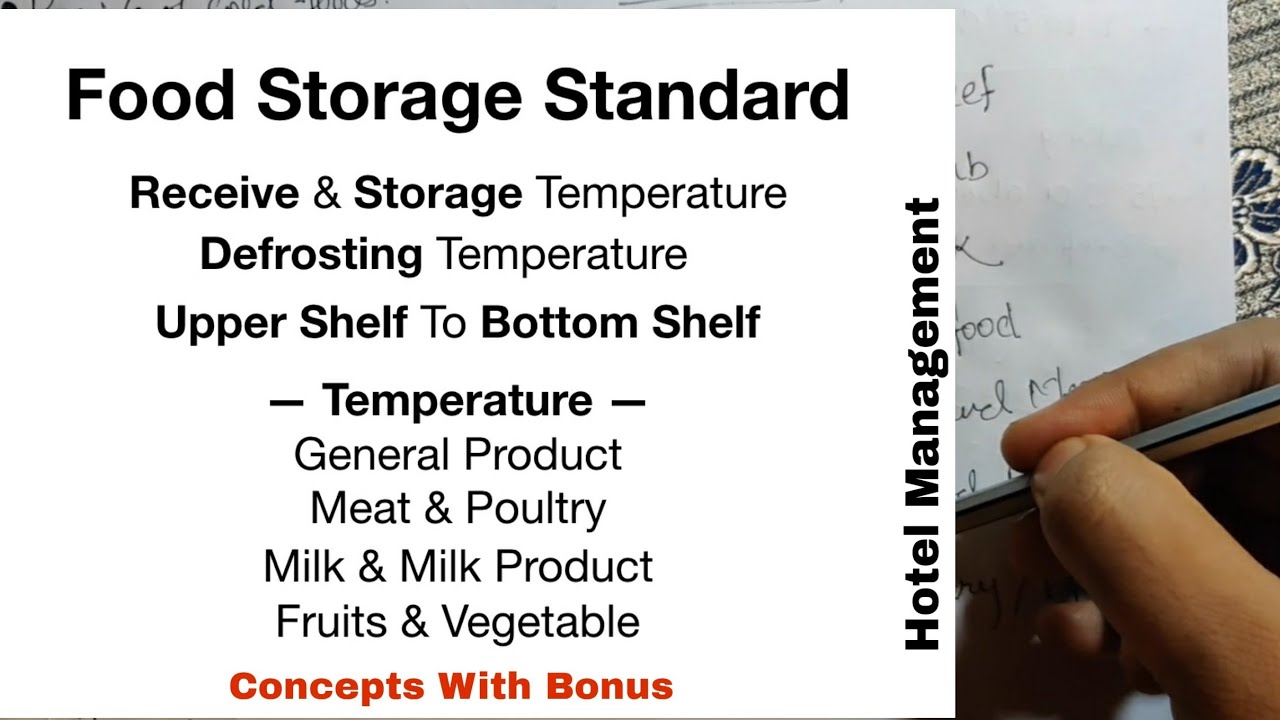
Food Storage Standard | Receive & Storage Temperature | Hotel Management Tutorial | Culinary
The difference between 41°F and 45°F isn't academic theory — it's the line between passing your health inspection and explaining to your GM why you just dumped $800 worth of protein. Chef Sahoo walks through the exact temperatures that keep your walk-in compliant and your food cost from bleeding out through spoilage. You either know these numbers cold or you learn them the expensive way.

HACCP || importance of Haccp for a chef || ihm budding chefs || Bcihmct ||
You can have the best mise in the world, but if your cold-holding temps are floating above 40°F, you're one health inspector away from boarding up the windows. HACCP isn't paperwork—it's the difference between a kitchen that survives surprise visits and one that gets 86'd by the county. Every critical control point you document today saves your ass when the thermometer tells a story you don't want to hear.

What is HACCP & temperature 🌡management in kitchen | cooking, cooling,reheating,holding Temperature
You know those four numbers by heart — 41°F, 135°F, 165°F, 140°F — or you should. This breakdown cuts through the food safety theater to show you what actually keeps the health department happy and your customers vertical. The thermal kill curves, the danger zone math, the holding temps that separate the pros from the weekend warriors who think "hot enough" is a temperature.
' Temperature logs happen at the same times every day, written down, not remembered. Allergen training isn't a one-time onboarding item — it's a recurring conversation, because the new seasonal menu has new allergens and your team needs to know. The restaurants that pass every inspection aren't the ones that scramble to clean before the inspector arrives.
They're the ones that are already clean.
Hygiene systems are a subset of kitchen systems in general. Kitchen Systems covers the broader operational structures that hygiene fits into. Staff & Leadership covers how to train your team to actually follow these protocols consistently.