Food Science & History
There comes a point in every cook's development where knowing how stops being enough and knowing why becomes essential. Why does bread rise? What actually happens during caramelization?
Why does acid brighten a dish, and at what point does it destroy it? The science behind cooking isn't academic trivia. It's the knowledge that lets you improvise when something goes wrong, adapt a recipe to different conditions, and understand what you're actually doing instead of just following steps.
Culinary history is the same kind of deeper knowledge — understanding where a technique came from, how a cuisine developed, why certain flavor combinations work across cultures. These videos go beneath the surface of cooking into the mechanics and the story.
The Limits of Following Recipes
A recipe tells you what to do. It doesn't tell you why, and it doesn't tell you what to do when conditions change. Your kitchen is hotter than the one where the recipe was tested.
Your oven runs ten degrees cooler. The humidity is different, which changes how flour absorbs water, which changes the texture of everything you bake. A cook who only knows the recipe is stuck when the recipe doesn't work.
A cook who understands the science can diagnose the problem and adjust. That's the real value of this knowledge — not impressing people at dinner parties, but having the understanding to fix things in real time, under pressure, when there's no time to look anything up.
The Limits of Following Recipes
A recipe tells you what to do. It doesn't tell you why, and it doesn't tell you what to do when conditions change. Your kitchen is hotter than the one where the recipe was tested.
Your oven runs ten degrees cooler. The humidity is different, which changes how flour absorbs water, which changes the texture of everything you bake. A cook who only knows the recipe is stuck when the recipe doesn't work.
A cook who understands the science can diagnose the problem and adjust. That's the real value of this knowledge — not impressing people at dinner parties, but having the understanding to fix things in real time, under pressure, when there's no time to look anything up.
“A cook who only knows the recipe is stuck when the recipe doesn't work.”
The Knowledge Underneath the Craft
215 videosVideos on food chemistry, fermentation science, the Maillard reaction, culinary history, and the deeper understanding that makes technique intuitive instead of mechanical.

Every Steak Doneness Explained in 15 Minutes for the Perfect Steak part 2
You've called out temps a thousand times, but there's something different about watching someone break down the science behind what your hands already know. The guy walks through every degree that separates a perfect medium-rare from disaster, and suddenly all those muscle memory moves have names and reasons. Anyone who's ever had to explain to a server why "medium-rare plus" isn't actually a thing will find themselves nodding along. It's the kind of video that makes you realize how much knowledge lives in your fingertips.
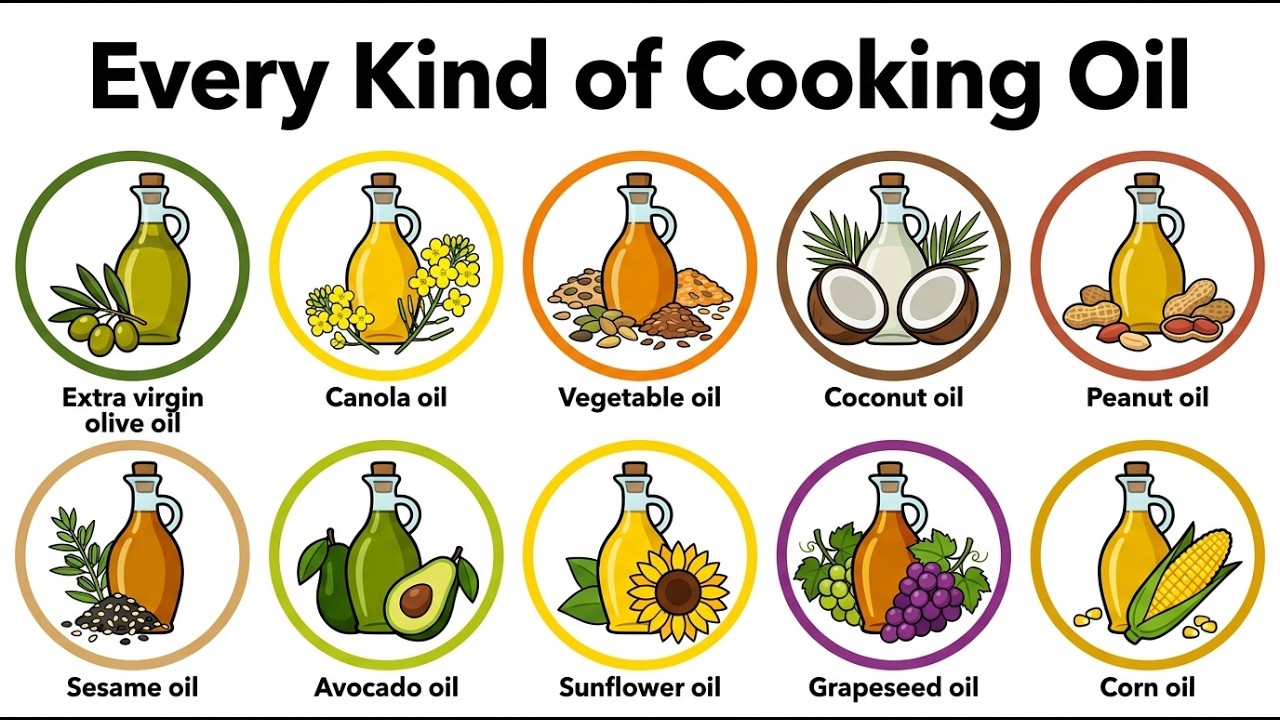
Every Kind of Cooking Oil Explained
You've grabbed whatever neutral oil was closest during a dinner rush, but every fat tells a story — the smoke point that saves your sauté pan, the flavor that builds or breaks a dish, the cost per gallon that either keeps you profitable or kills your margins. This breakdown cuts through the marketing noise to give you what actually matters on the line. The difference between knowing your oils and just cooking with them.
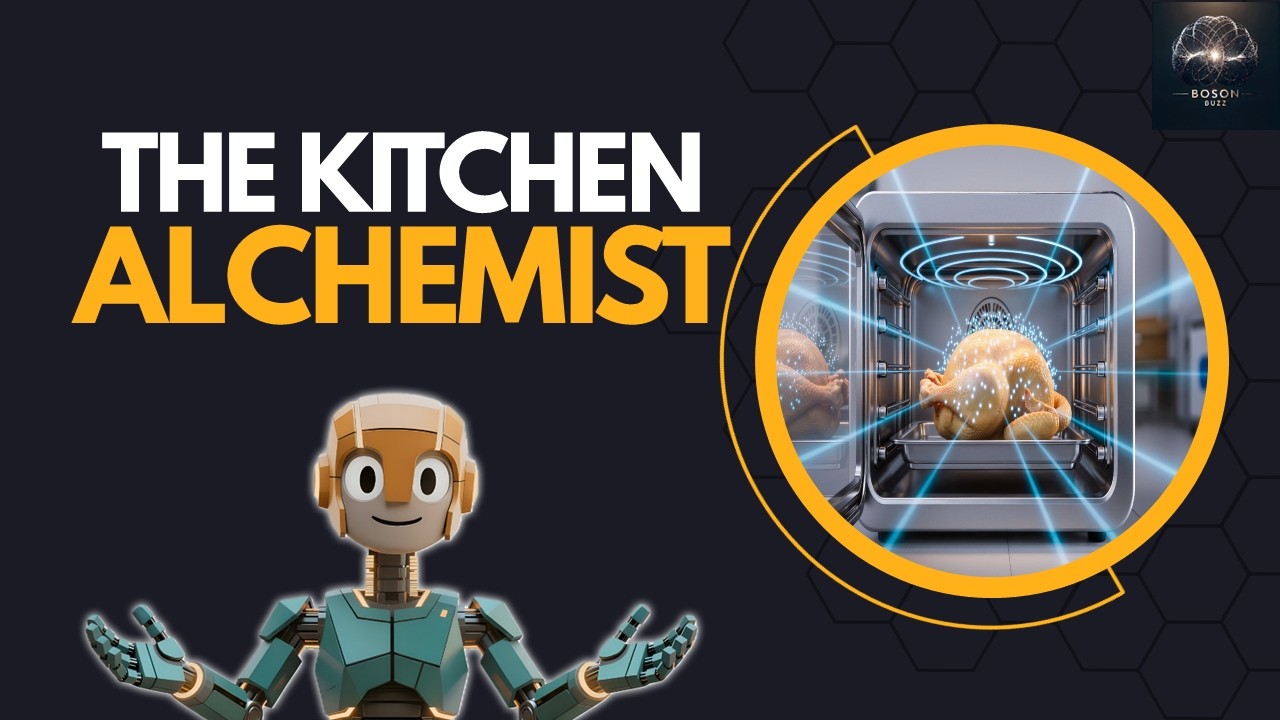
This Machine Cooks Food From the Inside Out… And It’s Perfect Every Time
You've spent years chasing that perfect medium-rare, fighting hot spots and cold centers, babying proteins through uneven heat like you're conducting some manic orchestra. This machine flips the script — starts from the core and works outward, hitting your target temp with the kind of precision that would make your old sous chef weep. No more cutting into a beautiful steak only to find geography lessons in doneness. The science is simple, the implications are everything.

Dhaba Style Dal Fry – Nutritional Value Explained | | Eulogist Chef RB | Chef Raju Bharti
Highway dhaba dal isn't just comfort food — it's survival engineering disguised as home cooking. Chef Bharti breaks down why this roadside staple has kept truck drivers and travelers running for decades, dense with protein and built to stick to your ribs through a 16-hour haul. You've tasted versions of this in every Indian kitchen worth its salt, but hearing the nutritional breakdown makes you respect the science behind what your grandmother already knew. Sometimes the best food is just good sense wrapped in turmeric and love.

Every Mutton Explained
You've broken down a thousand steaks, but how many times have you actually thought about what makes a ribeye different from a strip beyond the marbling you can see? This isn't Instagram food porn — it's the kind of foundational knowledge that separates cooks who can follow a recipe from the ones who understand what they're actually doing to the protein. The science here matters when you're explaining to a guest why their medium-rare tastes different tonight, or when you're designing a menu that won't hemorrhage money on the wrong cuts.

Every Japanese Food Explained in 8 Minutes (Sushi, Ramen, Tempura & More)
You've spent years perfecting your knife cuts and building your mise, but here's eight minutes that connects the dots between what you're doing and why it matters. Japanese cuisine isn't just technique — it's a philosophy that turns restraint into flavor and precision into soul. Every station cook chasing that perfect sear or clean plate should watch this. The principles here will make you a better cook, even if you never touch a piece of nigiri.

Misal Pav – Nutritional Value Explained | Dastan-E Nutrition Ki Class | Eulogist Chef RB |
You can break down the macros on a thousand dishes, but street food hits different — it's engineered by generations of people feeding working hands on working budgets. Chef RB walks through the nutritional profile of misal pav like he's reading the DNA of Maharashtra's most honest meal. The kind of food science that matters isn't in some lab, it's in watching a vendor balance protein, carbs, and fat so a day laborer can work another shift.
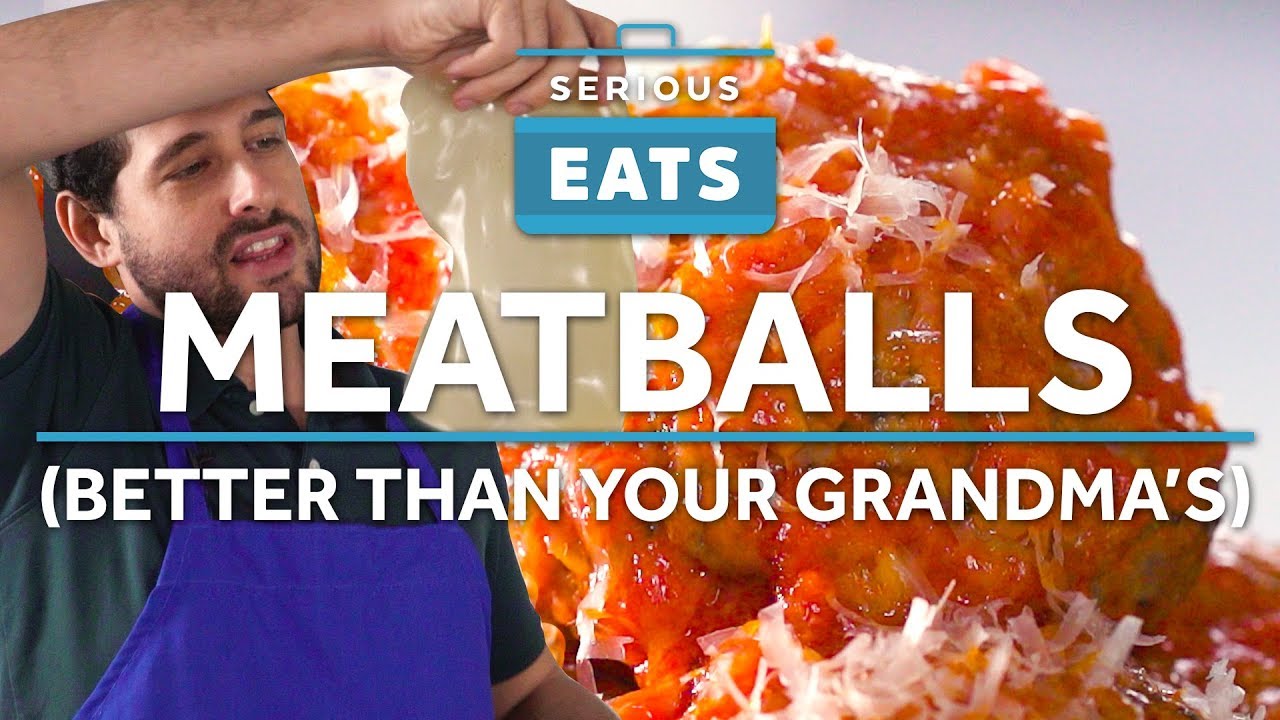
How to Make the Juiciest, Most Tender and Flavorful Italian-American Meatballs | Serious Eats
Three generations of Italian-American grandmothers are rolling over in their graves watching Kenji explain the optimal meat-to-fat ratio for their sacred Sunday sauce meatballs. You've heard every cook in every kitchen claim their family's recipe is "the real one" — meanwhile Kenji's breaking down exactly why the panade matters, why you're browning wrong, and how proper seasoning distribution changes everything. This is what happens when food science meets the recipes that built neighborhoods. The methodology might be clinical but the soul is still there, nestled between the breadcrumbs and the beef.

The Food Lab by Kenji López-Alt: Column vs. Book
Helen Rennie breaks down the difference between Kenji's original Serious Eats columns and the book that made him famous — and honestly, it's the kind of distinction that matters when you're trying to figure out why your eggs keep breaking or your steaks won't sear right at 2 AM. The columns were raw, immediate, written in the trenches of discovery. The book gave us the polish, but sometimes you need the messy first draft that shows the actual thinking.

Sous Vide Duck Confit | Serious Eats
Duck confit done right is a lesson in patience that most home cooks will abandon halfway through — the traditional method demands three days and the kind of attention span that doesn't exist outside professional kitchens. Serious Eats breaks it down to something manageable without losing the soul of what makes confit worth doing: that silk-tender meat that pulls apart like butter-soaked velvet. You've probably charged thirty bucks for a leg this perfect, watching diners lose their minds over something that's really just duck, salt, fat, and time.

Debunking Burger Myths with J. Kenji López-Alt | The Burger Show
Kenji López-Alt takes a blowtorch to every burger myth your cousin from culinary school still repeats — the sear doesn't "lock in juices," you don't need to flip once, and that perfect dimple technique actually matters. He's got the science, but more importantly, he's got the reps from actually working a flat-top instead of just theorizing about one. You'll walk away knowing exactly why your burgers turn into hockey pucks and how to fix it. The kind of practical knowledge that separates cooks who understand their craft from those just following someone else's rules.
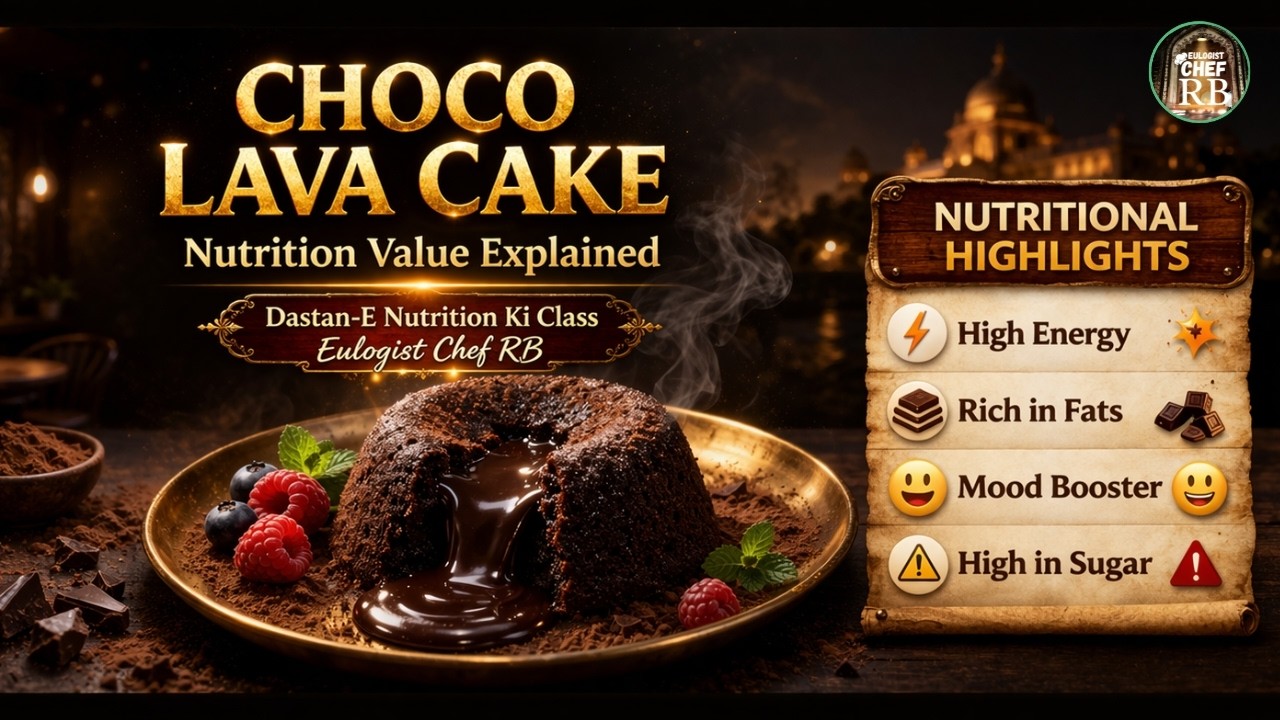
Choco Lava Cake – Nutritional Value Explained | Dastan-E Nutrition Ki Class | Eulogist Chef RB
You've plated a thousand molten chocolate cakes, watched servers carry them out steaming, never stopped to think about what's actually in that little ceramic ramekin. Chef RB breaks down the nutritional reality behind the dessert that built half the fine dining industry — turns out that perfect lava flow comes with a price tag your body pays long after the last bite. Anyone who's ever had to explain why dessert costs $14 knows there's more than cocoa and butter at work here.

How to Season a Wok | Serious Eats
A properly seasoned wok tells the story of every dish that's passed through it — the char from yesterday's beef and broccoli, the ghost of last week's fried rice, a patina that money can't buy and shortcuts can't fake. You know the difference between a virgin pan and one that's earned its stripes, the way oil moves across metal that's been baptized by fire and repetition. Anyone who's ever tried to rush wok hei on new steel knows exactly why the old-timers guard their beaten-up pans like family heirlooms.

How to Make Thick, Levain-Style Chocolate Chip Cookies | Serious Eats
Levain built their reputation on cookies that look like mistakes — massive, underbaked, slightly fallen — but walk into any bakery in the last decade and you'll see the DNA everywhere. This isn't just technique, it's proof that sometimes the thing that breaks all the rules becomes the rule. Anyone running pastry knows the difference between controlled imperfection and actual failure, and Kenji shows you exactly where that line lives.

How to Make Kenji Lopez-Alt's ONION RINGS
The Goerkes take Kenji's obsessively tested onion ring formula — the one with seventeen variables and three different batters — and turn it into something their kid actually wants to eat. You watch a food science nerd's perfect recipe meet the chaos of a real kitchen, where "one more taste test" means the cook gets overruled by an eight-year-old. Sometimes the best R&D happens at a family table, not in a test kitchen.
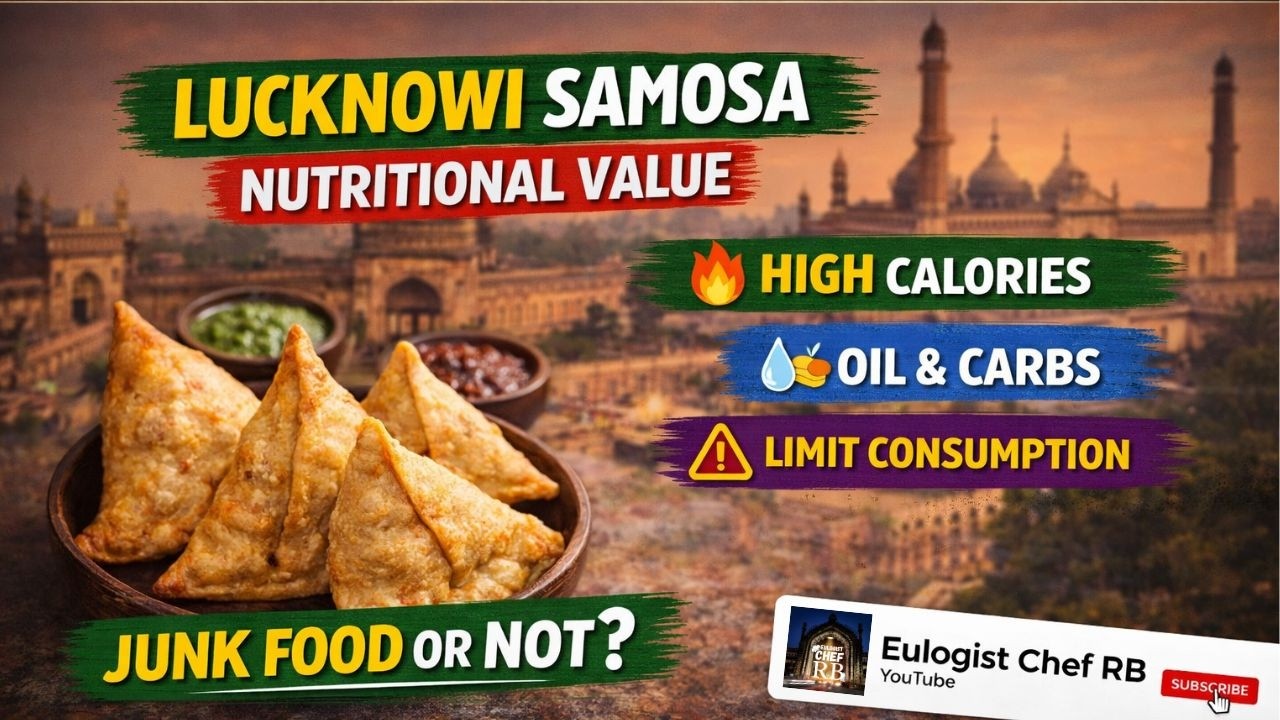
Lucknowi Samosa – Nutritional Value Explained | Eulogist of Chef RB | Chef Raju Bharti
Chef Raju Bharti breaks down the Lucknowi samosa like he's reading a prep list — carbs, protein, fat content, the works. You think you know street food until someone shows you the mathematics behind that perfect triangle of dough hitting 375°F oil. This isn't Instagram food porn; it's a master explaining why that crispy shell and spiced filling have kept line cooks and street vendors running for centuries.

How to Make Lomo Saltado | Serious Eats
Chinese immigrants hit Peru in the 1800s with woks and soy sauce, Peruvians had beef and potatoes, and somewhere in that collision you get lomo saltado — stir-fried beef that tastes like home to two different cultures at once. This is how real fusion happens: not in some celebrity chef's fever dream, but when working people cook what they know with what they can find. You taste the smoke from the wok, the char on the beef, the way cilantro and aji amarillo turn something familiar into something new. It's migration on a plate, and it's been feeding people long before anyone called it "elevated Peruvian-Chinese cuisine."

Kenji's Kimchi-Brined Fried Chicken Sandwich | Serious Eats
Kenji takes the pickle-brined fried chicken sandwich and pushes it sideways into kimchi territory, because why settle for dill when you can have funk, fire, and fermentation working together. The science is sound — that acidic brine breaks down proteins just like pickle juice, but kimchi liquid brings umami depth that makes your mouth water before you even bite down. You can see him working through the rationale in real time, the way a good cook does when they're chasing something that tastes right in their head.

Tamron’s Tasting Table: Chef Samin Nosrat's New Cookbook
Samin Nosrat built her reputation teaching home cooks that salt, fat, acid, and heat aren't just ingredients — they're the fundamental language every line cook speaks without thinking. Now she's back with stories that connect the dots between technique and culture, the kind of knowledge that separates cooks who follow recipes from cooks who understand food. You've tasted the difference in every kitchen you've worked.

This One Ingredient Will make You a Better Cook!
You've watched a hundred cooks discover salt like they just invented fire, but here's someone who actually gets why it matters beyond the Instagram moment. Wise breaks down the science without the condescension — how salt doesn't just season, it transforms protein structure, pulls moisture, builds layers you can't fake with finishing flakes. Anyone who's ever watched a new hire dump kosher salt like it's fairy dust knows the difference between knowing about salt and knowing salt.
Good Things: Recipes and Rituals to Share with People You Love by Samin Nosrat
Samin Nosrat talking about recipes and rituals isn't some Instagram wellness guru pushing "nourishment" — this is the voice that taught a generation of cooks why salt matters and how fat carries flavor. She's moved past the technical breakdown of *Salt Fat Acid Heat* into something more honest: food as the thing that keeps people at your table after the plates are cleared. You've felt this in your own kitchen at 2 AM, sharing family meal with the crew who just survived another night in the weeds.

Should You Refrigerate Tomatoes? | Serious Eats
Some line cook is about to walk into their chef's office with this video pulled up on their phone, ready to settle the great tomato storage debate that's been brewing since Tuesday's prep meeting. You've watched grown adults argue about this with the same intensity they bring to knife sharpening and proper seasoning technique — because in a world where every decision affects food cost and quality, even the humble tomato becomes a hill worth dying on. The science matters, but so does the fact that you're storing 50 pounds of them and need to know if you're doing it right.

The Food Lab: Cheeseburgers | Serious Eats
Kenji's turned loose with a camera budget and the freedom to geek out on burger fundamentals — the smash technique, cheese melt science, bun architecture that actually holds up under a proper patty. You've built a thousand burgers on muscle memory, but watching someone break down the why behind each move hits different when you're trying to explain it to the new guy who keeps pressing the shit out of everything. This is what happens when serious chops meet serious curiosity.
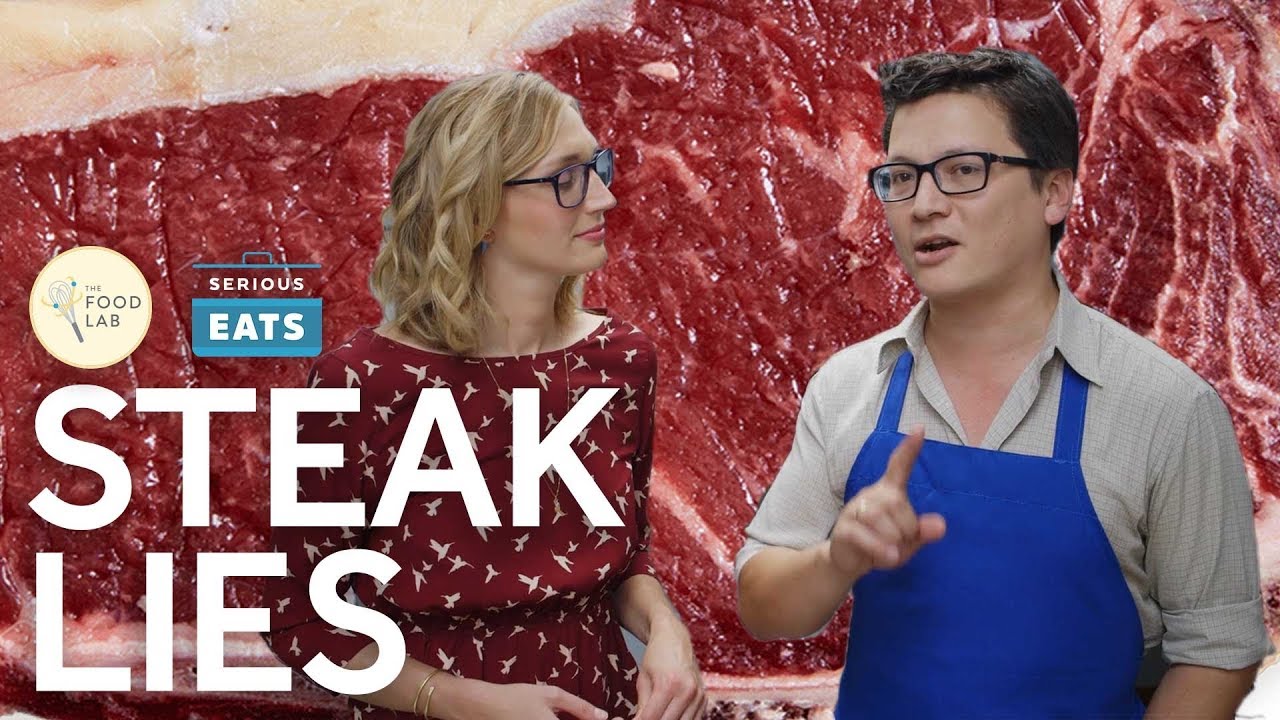
The Food Lab: Steak Lies | Serious Eats
Kenji's back doing what he does best — taking a blowtorch to every steak myth your cousin learned from YouTube. You've heard them all: searing locks in juices, expensive cuts are always better, that thing about room temperature meat that somehow refuses to die. The man built his reputation by actually testing this stuff instead of just repeating what some cookbook said in 1987. Anyone who's ever had to explain to a server why we don't flip steaks every thirty seconds knows exactly why this matters.
Then the chemistry of flavor: how salt enhances, how acid balances, how fat carries flavor compounds to your palate, how sugar caramelizes and at what temperature the sweetness turns to bitterness. Then fermentation — arguably the most important culinary process in human history, from bread to cheese to soy sauce to beer. Each of these is a rabbit hole worth going down.
The science here connects directly to the hands-on practice in Technique & Skill — understanding why something works makes the technique easier to learn. Street Food & Travel shows many of these scientific principles applied intuitively by cooks who've been doing it for generations.